How Artificial Intelligence is Transforming Supply Chain Management from Planning to Execution

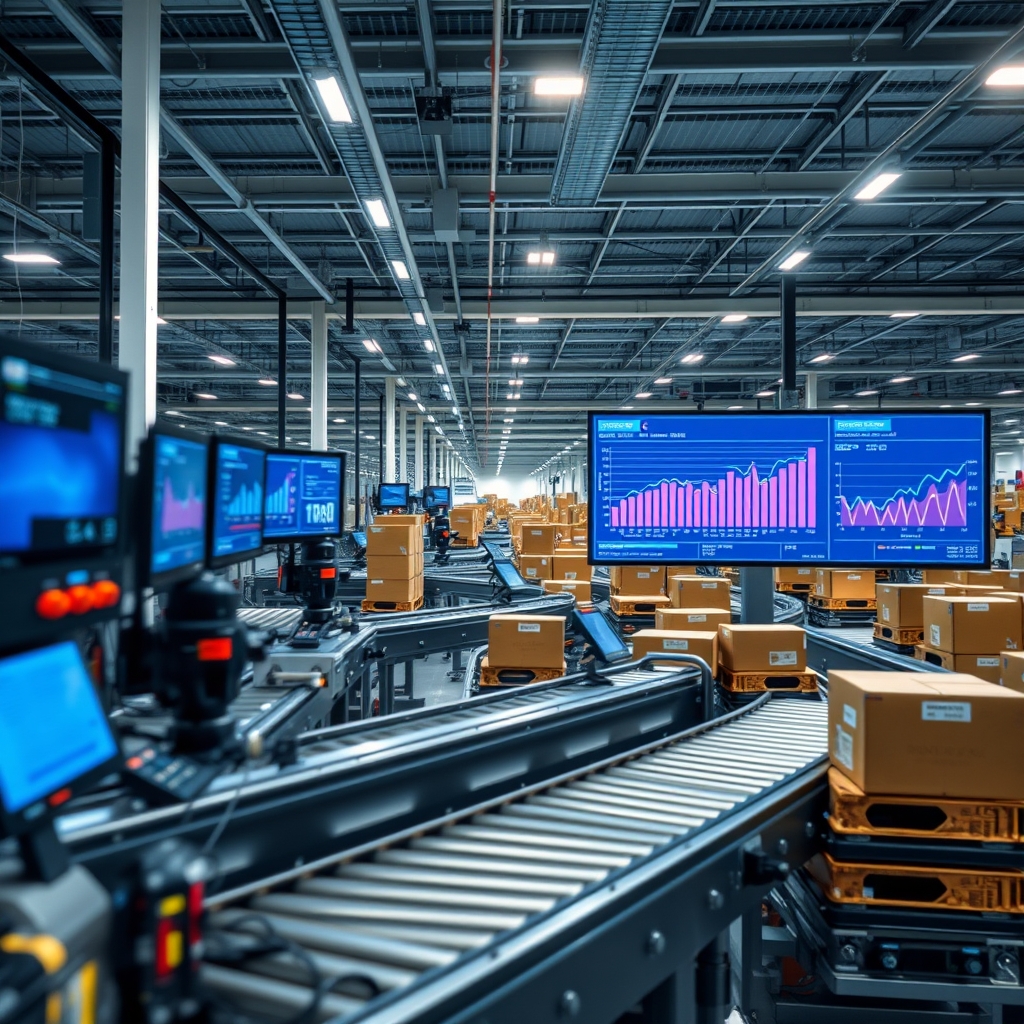
Modern supply chain operations have accumulated vast quantities of operational data and sophisticated dashboards over recent years, providing enterprises with unprecedented visibility into their networks. However, visibility alone has often left organizations reacting to disruptions rather than preventing them. According to industry insights highlighted by CIO Dive, artificial intelligence is now bridging the gap between data collection and automated execution, enabling systems to make operational decisions rather than simply offering better plans.
The Shift Toward Autonomous Decision-Making
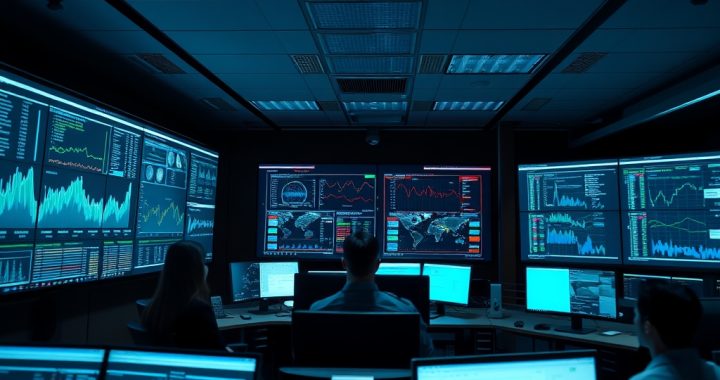
For decades, enterprise technology focused heavily on planning horizons, demand forecasting, and inventory optimization. Dashboards could display where bottlenecks occurred or when shipments were delayed, but human intervention remained necessary to resolve these issues. Artificial intelligence introduces advanced predictive capabilities that process multivariate data streams in real time, allowing systems to recommend or execute corrective actions autonomously.
- Advanced algorithms analyze continuous data streams from global shipping networks.
- Predictive models identify potential logistical failures before they impact delivery timelines.
- Automated execution frameworks reduce reliance on manual intervention during minor disruptions.
Overcoming Operational Silos with Intelligent Systems
Integrating artificial intelligence into existing enterprise resource planning and logistics frameworks requires careful coordination across departments. While dashboards provided historical context, predictive tools actively shape future outcomes by connecting disparate data silos. Procurement, manufacturing, and distribution teams can now operate from a unified, intelligent core that continuously recalibrates based on changing market conditions and material availability.
As enterprises continue to adopt these technologies, the focus of supply chain leadership is shifting from operational oversight to strategic architecture. By allowing intelligent systems to handle routine logistics decisions, organizations can redirect human capital toward long-term resilience, vendor negotiations, and sustainable sourcing initiatives.