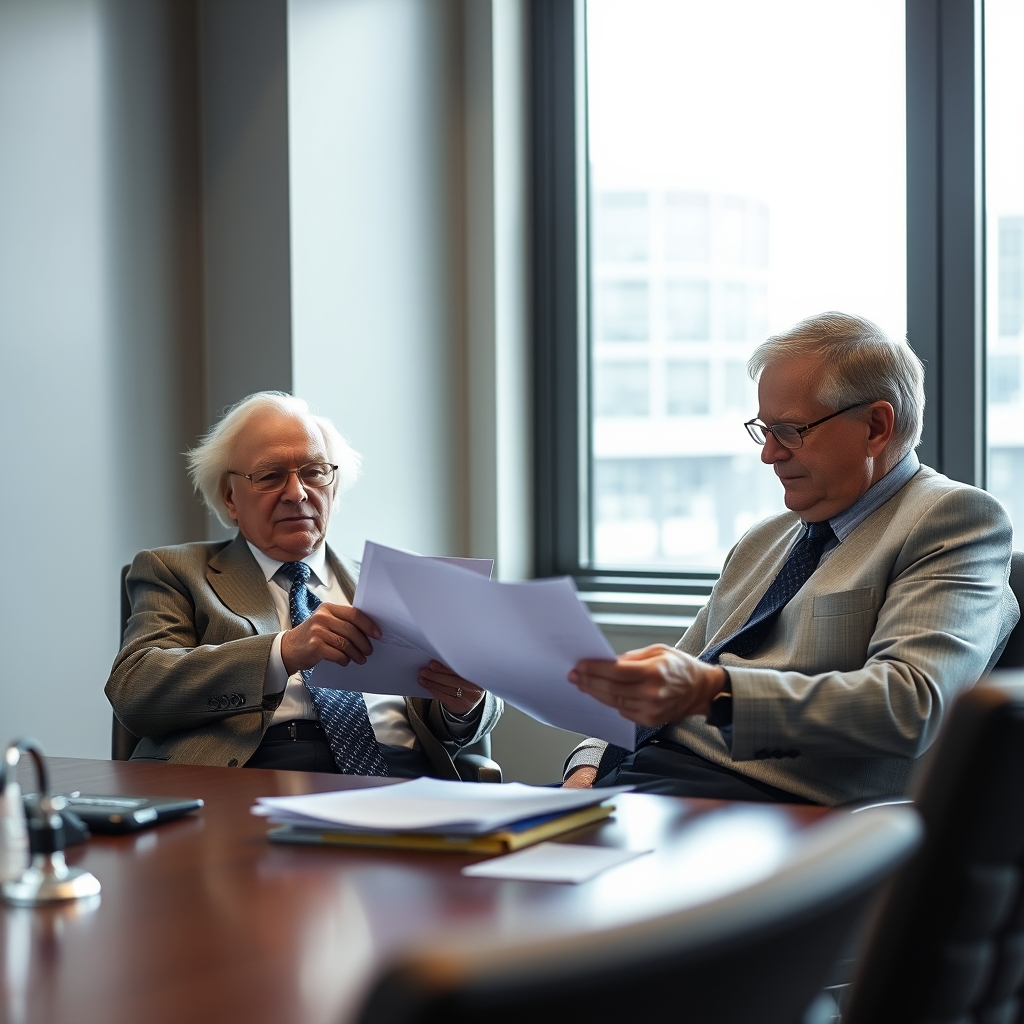
An extraordinary chapter in American corporate history has drawn to a close as Warren Buffett formally steps down from his role as chairman of Berkshire Hathaway Inc., according to a company announcement released on Friday. The legendary investor, who turned 96, is concluding roughly six decades at the helm of the Omaha, Nebraska-based conglomerate. He will transition into the role of chairman emeritus effective immediately and maintain his position as a member of the board of directors.
The transition marks a definitive milestone in the meticulously planned succession process at one of the world’s most influential and valuable enterprises. Earlier this year, Greg Abel assumed the position of chief executive officer at Berkshire Hathaway, taking over the day-to-day operational responsibilities of the massive organization. In a statement addressing the leadership shift, Abel praised the departing leader, noting that Buffett’s influence on the company and its equity owners remains utterly without parallel across the landscape of American commerce.
Under Buffett’s visionary stewardship, Berkshire Hathaway evolved from a struggling, aging New England textile mill into a multi-trillion-dollar corporate powerhouse with a market valuation exceeding $1 trillion. Over recent years, the billionaire investor has steadily reduced his daily responsibilities within the conglomerate. His recent steps back included handing over the authorship of the highly anticipated annual shareholder letter to Abel, choosing not to appear onstage during the company’s annual meeting in May, and breaking a leg earlier in the year.
Furthermore, Buffett disclosed in July intentions to completely dispose of his substantial equity stake in Berkshire Hathaway, valued at approximately $140 billion, by the year 2034. In a personal letter to shareholders detailing his decision to step down from the chairmanship, Buffett explained that the move was prompted by Abel’s exceptional performance, which consistently surpassed his remarkably high standards. Buffett emphasized that Abel has been autonomously driving critical decisions for some time, making the current moment the ideal juncture to finalize the leadership transition.
While Abel manages the overarching business operations—including deploying portions of the company’s substantial cash reserves into share buybacks—the chairman role will be assumed by Howard Buffett. Having served for 33 years as a director on Berkshire’s board, Howard Buffett will focus primarily on safeguarding the foundational culture and core values of the conglomerate. In his letter, the senior Buffett underscored that the organization’s culture and values carry a worth that transcends any traditional figures recorded on a balance sheet.
Market observers have closely monitored the transition as a model of corporate longevity and planned leadership changes. Christopher Davis, a partner at Hudson Value Partners, characterized the announcement of Warren Buffett shifting to chairman emeritus as the latest textbook illustration of exemplary governance at Berkshire Hathaway, despite recent stock performance trading largely flat relative to broader market indexes like the S&P 500.
Key Leadership Takeaways
- Warren Buffett steps down as chairman after six decades, transitioning to chairman emeritus while remaining on the board.
- Greg Abel continues in his role as chief executive officer, having already taken over major operational decisions.
- Howard Buffett, a Berkshire board director for over three decades, takes over as chairman to protect the company’s corporate culture and values.
Source: Insurance Journal