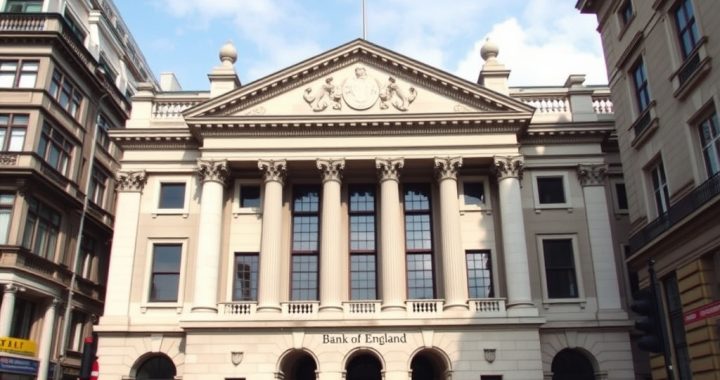
Bank of England Expected to Raise Interest Rates Amid Rising Inflation Pressures


Policymakers at the Bank of England are widely expected to increase interest rates, marking the first upward adjustment to the benchmark rate in more than three years. Most financial analysts are predicting a lift from 3.75% to 4% during the upcoming announcement. This potential shift follows a period where the central bank left borrowing costs unchanged across six consecutive meetings, having previously fallen from a 2023-24 peak of 5.25%.
The anticipated policy shift is primarily driven by rising inflation, which has been exacerbated by the cost of petrol, diesel, and energy impacts stemming from international conflicts such as the Iran war. Figures from the Consumer Prices Index show inflation rose to 3.5% in the year to September, up from 3.1% the previous month and remaining well above the central bank target of 2%. Markets will monitor the Monetary Policy Committee closely not just for the quarter-point rise, but for forward guidance regarding the economic outlook and future monetary policy.
Impact on Mortgage Borrowers and Trackers
A higher base rate carries immediate and substantial consequences for UK borrowers, particularly those utilizing tracker and variable home loans. According to calculations from banking trade body UK Finance, an immediate 0.25 percentage point rate increase would translate to a 31 pound monthly rise for a typical tracker mortgage holder. Meanwhile, approximately 470,000 borrowers on variable deals face an average increase of 14 pounds per month, subject to individual lender adjustments.
For fixed-rate mortgage holders, the transition is more nuanced as lenders have already priced anticipated rate adjustments into current offerings. Financial information service Moneyfacts noted that average two-year and five-year fixed residential mortgage rates hovered near 6% late in the year. Broker L&C highlighted that homeowners rolling off older, lower-rate fixed deals secured years prior face significant jumps in annual repayments, prompting some borrowers to weigh the potential savings of tracker products against future interest rate volatility.
Broader Implications for Savers and Markets
While borrowers navigate increased financing costs, savers stand to benefit from improved interest yields as commercial institutions adjust deposit rates in tandem with the central bank benchmark. CMC Markets noted that policymakers face a delicate balancing act between subduing persistent inflationary pressures and supporting a domestic economy where growth forecasts have weakened sharply.
Key considerations for consumers and financial institutions include:
- Potential rises in the cost of new personal loans tied to the base rate.
- Heightened scrutiny on household budgets ahead of projected domestic energy price increases.
- Strategic evaluations by borrowers choosing between short-term tracker flexibility and long-term fixed security.
As the central bank prepares to deliver its definitive policy stance, lenders and market participants continue to assess broader economic indicators to anticipate how future monetary decisions will shape personal debt management and corporate borrowing conditions.