SAP Users Focus on Core Migrations and Governance at ASUG Tech Connect


Attendees at the recent ASUG Tech Connect gathering highlighted a significant shift in enterprise technology priorities. While enterprise software vendors have heavily promoted autonomous systems and futuristic concepts, enterprise users are concentrating on the foundational elements required for sustainable digital modernization. Discussions at the event emphasized that achieving measurable returns on technology investments depends heavily on data quality, rigorous process management, and practical governance frameworks rather than chasing superficial trends.
Balancing Automation Ambitions with Practical Governance
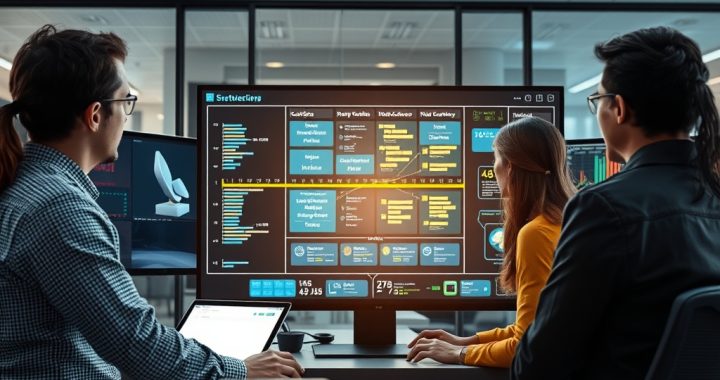
Enterprise technology leaders evaluating autonomous capabilities face persistent challenges regarding data integration and security controls. Recent industry data indicates that a substantial share of artificial intelligence initiatives stall after the initial proof-of-concept phase due to fragmented legacy data or unclear business value. To counter these hurdles, specialists at the conference stressed that security and compliance should act as enablers rather than obstacles. Organizations are adopting structured oversight measures, including maintaining comprehensive agent registries and establishing clear deployment manifests to monitor autonomous workflows.
- Establishing multi-layered governance protocols for automated processes
- Leveraging deterministic, rule-based automation to manage inference expenses effectively
- Prioritizing business strategy and operational alignment ahead of technology adoption
Addressing Legacy System Modernization
Beyond advanced tooling, core enterprise resource planning upgrades and cloud migration strategies dominated conversations on the event floor. Organizations operating older, highly customized enterprise environments are carefully evaluating how to modernize securely without disrupting daily commercial operations. Partner ecosystems are responding by providing targeted automation tools for custom code remediation and data orchestration. Ultimately, industry participants concluded that successful digital transformation requires a holistic approach where corporate culture, robust data foundations, and strategic alignment take precedence over hasty implementations.