Why Aviation Automation Still Faces Hurdles in Smaller Aircraft Fleets

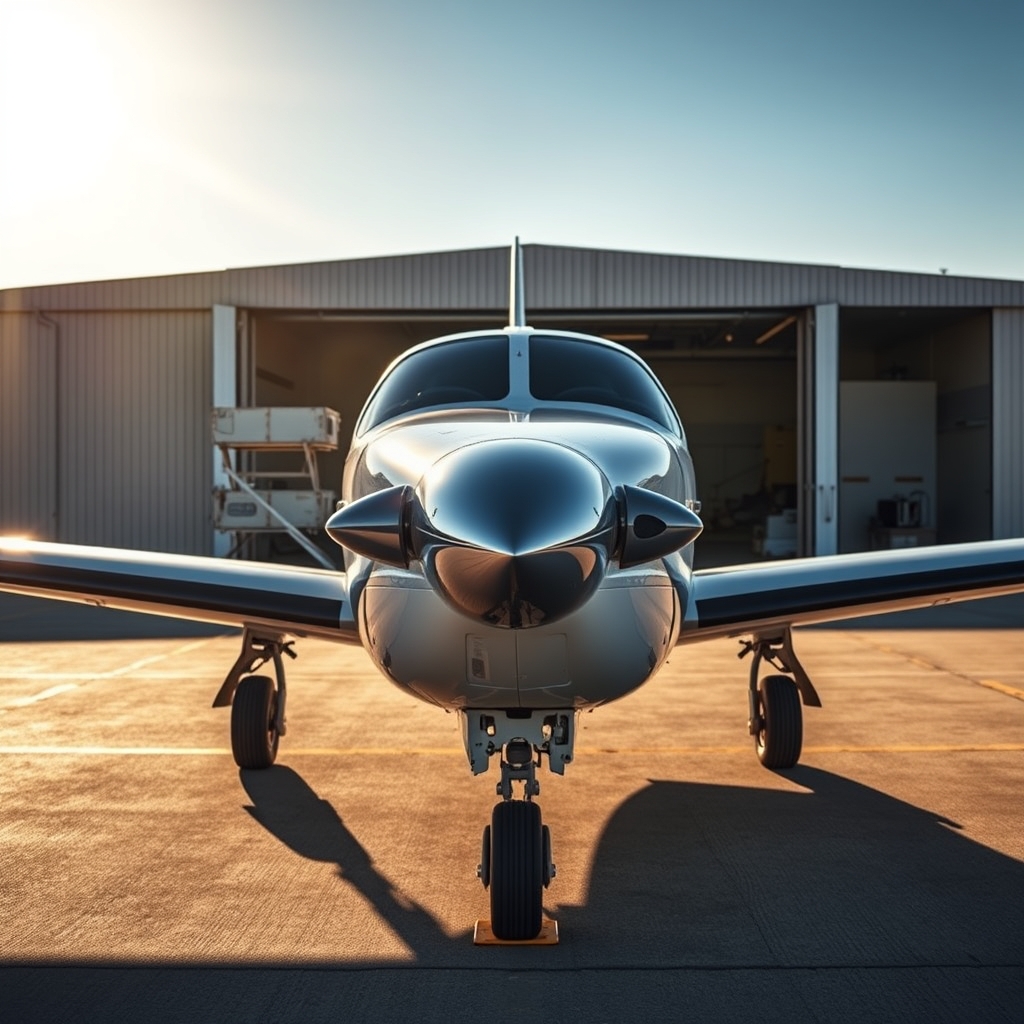
The integration of advanced automation in smaller aircraft has long lagged behind technological advancements seen in other transportation sectors. According to insights shared by Reliable Robotics Chief Executive Officer Robert Rose, the traditional aviation industry continues to rely heavily on legacy systems, presenting a stark contrast to modern autonomous freight solutions. The path toward uncrewed flight requires a fundamental rethinking of avionics, software architecture, and regulatory compliance.
The Mechanics of Retrofitted Autonomous Cargo Aircraft
Rather than constructing entirely new airframes, firms like Reliable Robotics are focusing on modifying existing aircraft to accelerate deployment. By outfitting standard Cessna Caravans with specialized flight computers, advanced sensors, and mechanical actuators, developers can utilize a supplemental type certificate approach. This strategy significantly lowers capital intensity while directing financial resources toward rigorous safety validation and software engineering.
- Implementation of off-the-shelf flight management systems configured for touchscreen route programming.
- Elimination of manual override mechanisms, such as remote joysticks, yokes, or traditional autopilot disconnect buttons.
- Integration of multi-directional radar providing a 220-degree horizontal field of view and vertical coverage.
Navigating Regulatory Pathways and Airspace Integration
Working closely with regulatory authorities to establish a reliable certification framework has been a primary milestone for autonomous aviation developers. Recent demonstration flights at Albuquerque Sunport showcased how modified aircraft can safely taxi and execute instrument approaches alongside standard commercial traffic. These trials validate the operational readiness of ground control infrastructure, where remote operators oversee routing and airspace communication without having direct manual control over the flight surfaces.
Collision avoidance technology remains a foundational element of this automated ecosystem. Utilizing advanced algorithms like ACAS X, these aircraft are engineered to perform automated evasive maneuvers and follow established instrument flight rules even if communication links are temporarily lost. While broader commercial implementation across major airlines remains a distant prospect due to labor agreements and regulatory scaling, smaller-scale regional cargo routes are positioned to adopt these technologies first.