Port of Los Angeles Hits Historic Milestone with Five Million Containers in Five Months

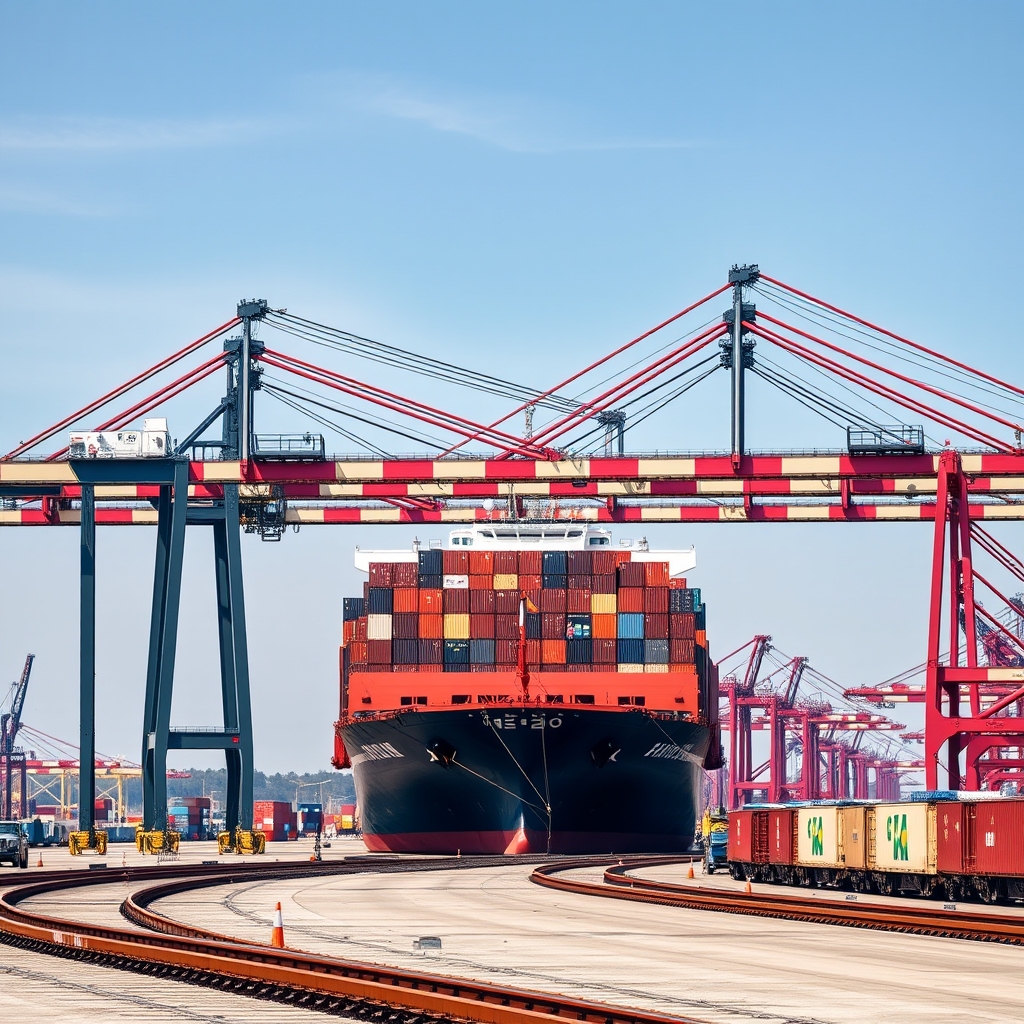
The Port of Los Angeles achieved the most robust five-month operating period in its 118-year history, moving more than 5 million container units. Executive Director Gene Seroka highlighted the remarkable cargo surge during an interview, noting that October alone exceeded 1 million containers, making it the second-busiest single month on record for the major West Coast gateway.
Tariff Clarity Drives Import Volumes
The unprecedented cargo influx has been largely driven by shifting trade policies and regulatory clarity. Following a Supreme Court ruling regarding temporary tariffs, importers moved quickly to front-load inventory. Once subsequent tariffs were reinstated with greater predictability, shipping volumes climbed steadily as market participants gained a clearer understanding of landed costs after nearly two years of policy volatility.
China emerged as the primary beneficiary of this renewed stability. According to port leadership, Chinese cargo volumes accelerated significantly, widening the gap over competing Asian export nations. Several structural advantages underpin this trend, including established manufacturing ecosystems, rapid transit times across the Pacific Ocean, and extensive rail departures originating directly from the Los Angeles Basin.
Rail Congestion and Imbalanced Trade Flows
This massive volume of incoming goods has placed immense pressure on local transportation infrastructure. Port officials reported that thousands of containers are experiencing extended dwell times of nine days or longer across key terminal footprints as operators work continuously to process the backlog.
- BNSF and terminal operators are deploying additional resources to clear lingering yard congestion.
- Record import volumes have continually outpaced the repositioning of export and empty containers.
- Western railroads face ongoing operational hurdles involving locomotive power, crew availability, and equipment supply.
Impact on Agricultural Exports
The structural trade imbalance has created severe headwinds for domestic producers. Agricultural commodities, including grains, alfalfa, and tree nuts, represent the port’s largest single commodity grouping for outbound shipments. However, these volumes have remained depressed since initial trade restrictions took effect nearly a decade ago.
Because American agricultural producers rely heavily on foreign markets to purchase the majority of their harvest, diminished access to key destinations has allowed international competitors in South America and Oceania to capture valuable market share. This lack of outbound cargo disrupts the traditional round-trip efficiency of intermodal rail networks, compounding logistical challenges for carriers and shippers alike.
Policy Outlook and Future Planning
Looking ahead, port leadership emphasized the need for extended planning horizons and greater industry collaboration. While high-level diplomatic meetings between world leaders have occurred with increased frequency, frequent policy adjustments continue to introduce cost pressures throughout the supply chain. Metals and industrial inputs have experienced significant price adjustments, affecting downstream importers and consumers.
Industry advocates continue to stress that long-term stability and expert advisory input are essential to balance Trans-Pacific trade flows, support agricultural exporters, and maintain the operational resilience of North American maritime gateways.