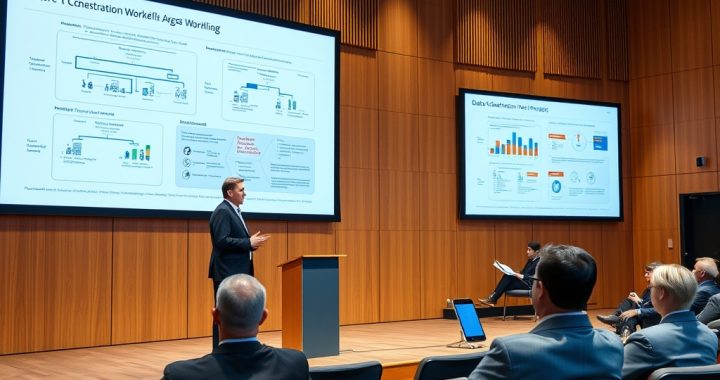
Microsoft Enhances Azure Ecosystem and Cloud Infrastructure at Ignite Conference


Technology titan Microsoft used its recent Ignite conference to showcase a series of sweeping updates to its Azure cloud portfolio. The company is actively building a unified, co-engineered architecture that tightly integrates proprietary and third-party artificial intelligence models, specialized hardware chips, and robust cloud infrastructure to support modern enterprise requirements.
Advancing Enterprise Cloud Capabilities
According to Jeremy Winter, a key representative for Microsoft, the strategy centers on delivering a seamless technological environment where hardware and software operate in unison. This approach addresses the growing complexity faced by enterprise technology leaders who must manage disparate digital systems, security protocols, and data workloads across hybrid environments.
- Uniting advanced artificial intelligence models within a single infrastructure
- Deploying specialized silicon chips designed to optimize machine learning workloads
- Streamlining enterprise operations through integrated cloud services
As organizations continue to accelerate their digital transformation initiatives, platforms like Azure are evolving to handle increasingly sophisticated computational demands. By bridging the gap between raw hardware performance and high-level software intelligence, Microsoft aims to simplify how large enterprises build, deploy, and scale their mission-critical applications.
Strategic Implications for IT Leadership
For corporate technology executives and enterprise architects, these developments signal a shift toward more cohesive vendor ecosystems. Rather than stitching together separate components for infrastructure, data storage, and artificial intelligence, companies can leverage fully integrated platforms designed to reduce administrative overhead and improve overall system performance.
The announcements at Ignite underscore the broader industry trend toward hardware-software co-design. As artificial intelligence becomes a core component of daily enterprise operations, the demand for optimized cloud infrastructure will only intensify, positioning platforms with deep vertical integration at the forefront of the corporate technology market.