Ocean Freight Rates Remain Elevated as Port Congestion Idles 3.6 Million TEUs

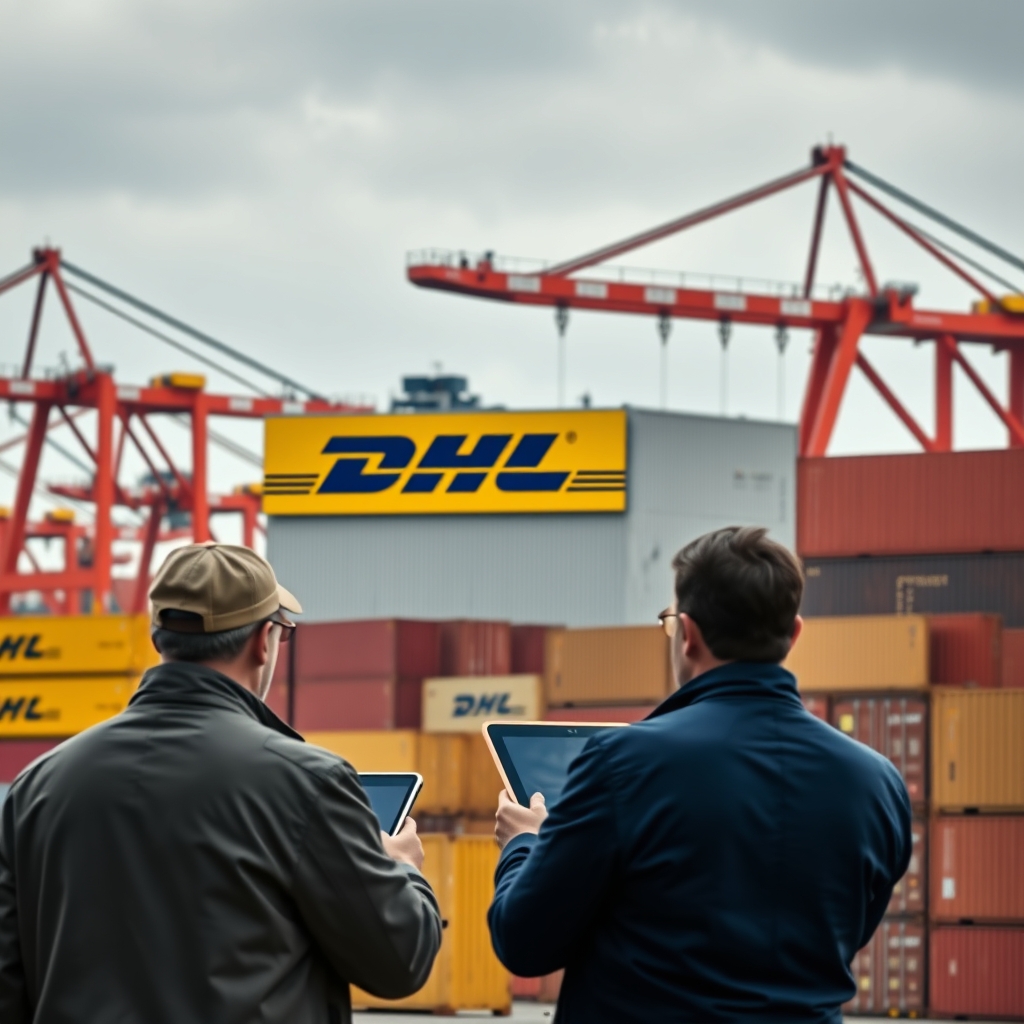
Global ocean freight rates are continuing to hold well above historical averages, creating a challenging procurement landscape for supply chain executives as the industry transitions into a new year. According to a comprehensive market analysis released by DHL Global Forwarding, container market rates remain elevated by 138% compared to the same period in the previous year, maintaining heavy pressure on enterprise shipping budgets despite a marginal softening as peak shipping season intensities begin to wane.
Capacity Constraints and Port Congestion
The persistence of high shipping costs is largely driven by severe maritime bottlenecks and structural bottlenecks across global trade lanes. Industry data indicates that global container fleet capacity is on track to expand by only 4% in 2026, falling short of the roughly 6% annual growth average recorded over the past decade. Compounding these constraints, more than 10% of the active global fleet—representing approximately 3.6 million TEUs—remains tied up in congested port facilities worldwide. Analysts estimate that cumulative disruptions, particularly stemming from severe typhoons that impacted major Chinese ports during the summer months, have reduced effective global vessel capacity by as much as 15%.
Operational friction is further exacerbated by shifting geopolitical realities and routing adjustments. After three years of widespread diversions around the African continent, over 60% of Asia-to-Europe maritime services have resumed transits through the Suez Canal and the Red Sea. While this return shortens transit times for carriers such as Mediterranean Shipping Co. and the Maersk-Hapag-Lloyd Gemini partnership, it has introduced significant vessel bunching and scheduling irregularities. Current metrics show that fewer than one in three vessels arrive on time at key Asian ports, and analysts warn that these clearing delays and schedule disruptions are likely to persist through the early summer months.
Escalating Bunker Costs and Operational Risks
In addition to constrained vessel capacity and port backlogs, logistics procurement teams are grappling with surging fuel expenditures. Very Low Sulfur Fuel Oil bunker prices have climbed significantly from earlier in the year, driven by persistent Middle Eastern supply uncertainties and disruptions near the Strait of Hormuz. Similarly, diesel prices have risen sharply over the past year, locking in elevated inland haulage surcharges across major distribution corridors. To navigate these rising expenses, shipping lines are offering various adjustments to Bunker Adjustment Factor mechanisms, forcing cargo owners to choose between quarterly indices, monthly updates, or emergency fuel surcharges.
- Use alternative regional gateways to bypass heavily congested major ports.
- Accept available bookings on alternative carriers even when paying premiums for critical freight.
- Incorporate extended buffer times and robust contingency plans into master service agreements.
- Build diversified routing alternatives directly into annual freight rate cards.
Strategic Implications for Procurement Teams
For corporate logistics, supply chain, and procurement professionals, the current operational environment demands a decisive shift in strategy. With rate agreements offering limited guarantees of space security or schedule reliability, enterprise leadership must pivot from pure price optimization toward deep supply chain resilience. Importers, exporters, and beneficial cargo owners are advised to align their contracting strategies closely with specific inventory needs—deploying committed capacity allocations for critical shipments, hybrid models for variable demand, and spot market access for unexpected volume surges as the market navigates a complex recovery.