UK Chancellor John Healey Faces £35bn Fiscal Gap Ahead of Autumn Statement

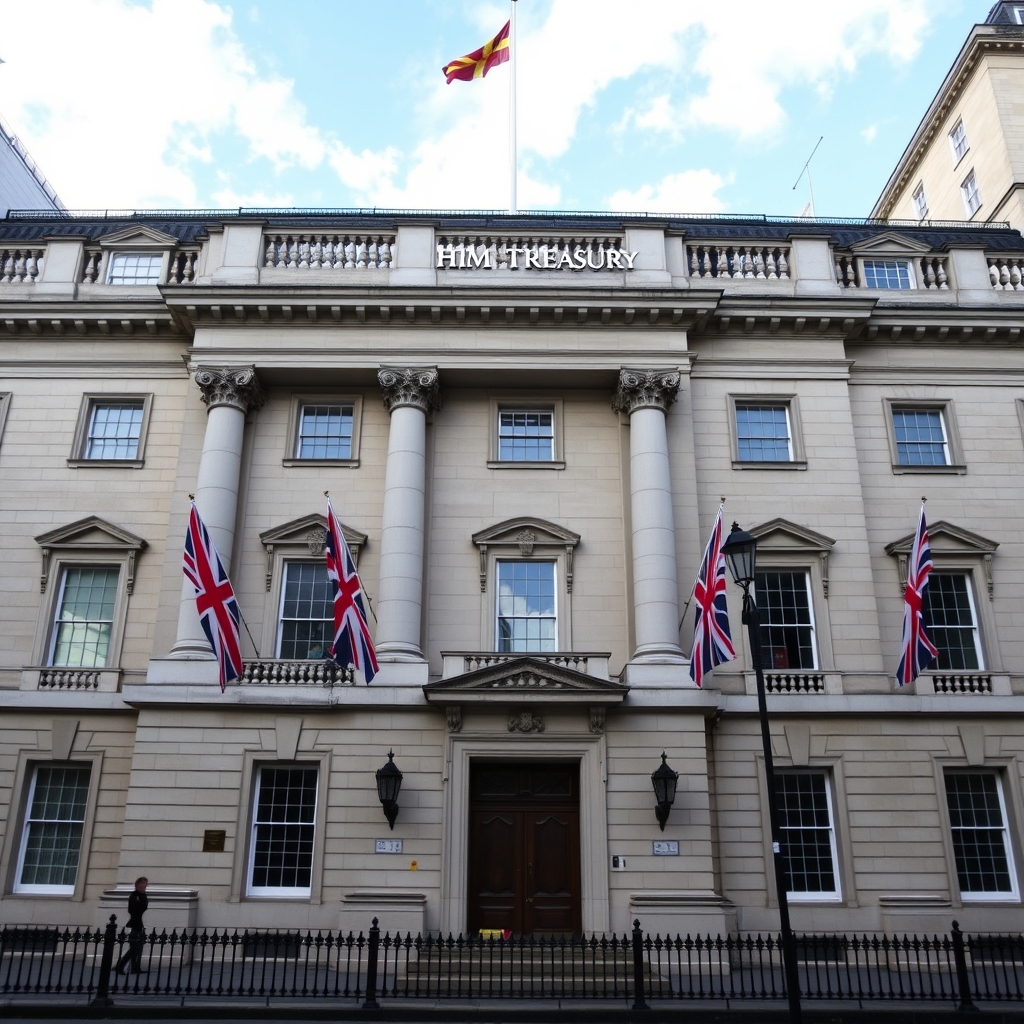
Chancellor John Healey is confronting a formidable financial challenge ahead of his inaugural Budget, with independent economic analysts warning that the Treasury faces a £35bn shortfall. According to assessments from the Institute for Fiscal Studies, the government must secure these additional funds simply to maintain current departmental spending levels, avoid severe cuts to public services, and fulfill ambitious commitments to expand military capabilities.
The Cost of Global Conflict and Inflation
International geopolitical tensions, notably the ongoing conflicts in the Middle East and Eastern Europe, have triggered widespread economic instability. The resulting energy price shocks have driven up inflation, severely eroding the purchasing power of government cash budgets. Consequently, public sector departments are finding their spending allocations increasingly constrained by rising operational costs.
Furthermore, higher inflation and turbulent bond market conditions have added billions to public borrowing forecasts. Analysts estimate that debt interest payments alone will increase borrowing costs significantly over the medium term. While elevated inflation temporarily boosts tax receipts, it simultaneously reduces the real-term value of allocations for public services, leaving the chancellor with remarkably little fiscal maneuvering room.
Pledges and Policy Dilemmas
The upcoming fiscal event requires delicate balancing acts from leadership. Prime Minister Andy Burnham and government officials remain committed to manifesto pledges preventing increases to major revenue generators such as income tax, National Insurance, and value-added tax. Consequently, raising heavy tax revenues without targeting working households presents a formidable political obstacle.
- Maintaining defense outlays at targeted national income thresholds requires dedicated funding streams.
- Avoiding implicit spending reductions that lack realistic delivery frameworks is critical for maintaining market credibility.
- Policymakers must navigate narrower fiscal headroom than previously projected by official independent forecasters.
Credibility and Long-Term Planning
Financial markets are closely monitoring the administration to gauge its commitment to fiscal discipline and debt reduction targets. Observers note that relying on unrealistic future spending projections—a strategy utilized by previous administrations—risks undermining the long-term credibility of public finances.
Although the chancellor may defer comprehensive departmental spending totals to subsequent fiscal events such as the Spring Statement, doing so risks leaving economic stakeholders uncertain about medium-term budgetary health. Delivering credible, transparent financial plans will remain paramount as the administration attempts to balance economic resilience with necessary public sector support.