Mexican Trucking Operators Launch National Strike Over Highway Security and Operating Costs

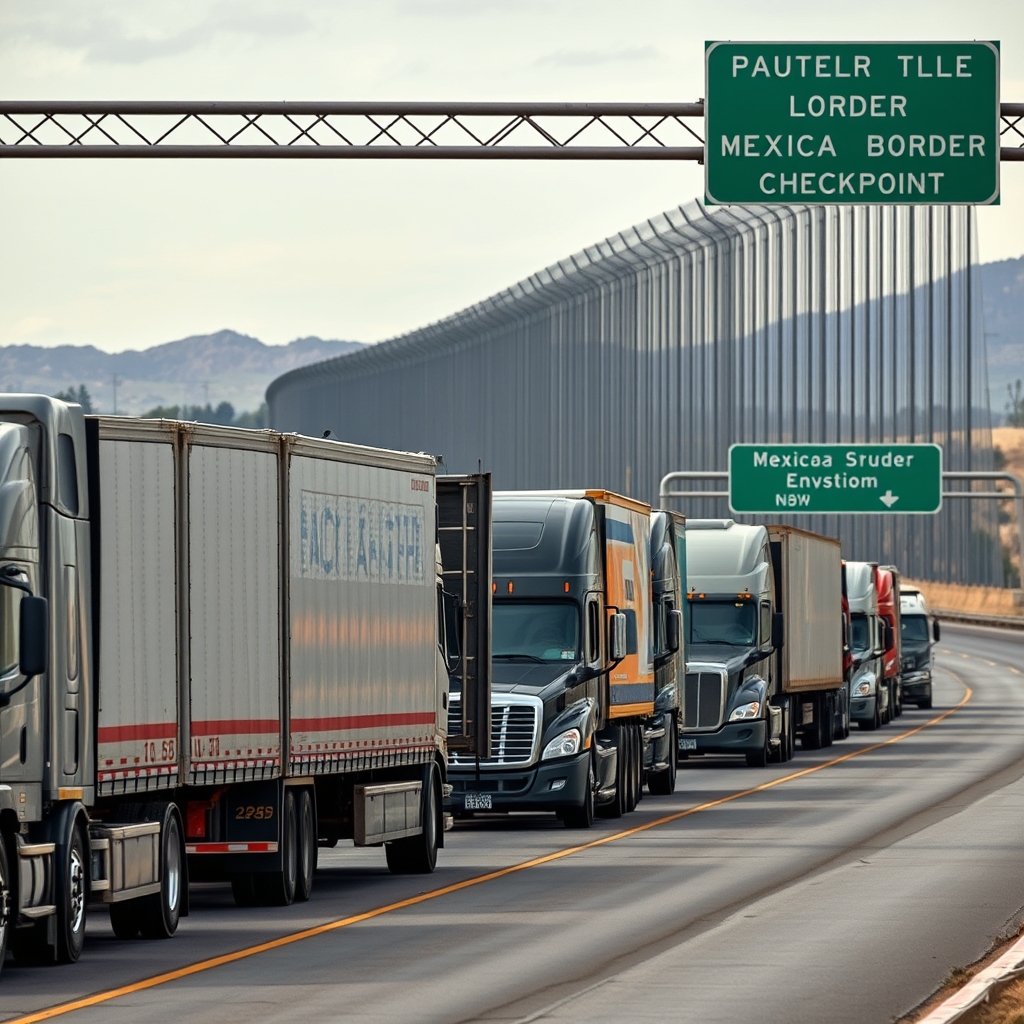
Commercial freight movements across major trade corridors face significant disruptions following the launch of an indefinite nationwide strike by Mexican trucking organizations. The job action, which began on Monday, centers on mounting industry concerns regarding highway insecurity, persistent cargo theft, extortion, and escalating operating expenses.
Key Trade Hubs Affected by Demonstrations
Organized by the National Chamber of Freight Transportation alongside other industry groups, the protests are targeting strategic logistics centers and major urban areas. Demonstrations and vehicle convoys have been scheduled in critical cross-border and industrial locations, including Nuevo Laredo, Reynosa, Monterrey, Tijuana, and Mexico City.
These actions threaten to severely impact transportation flows through vital commercial passages linking Mexico and the United States. In particular, potential blockades near Nuevo Laredo stand to affect operations opposite Laredo, Texas, which serves as the leading inland port of entry for cross-border commerce.
Core Grievances and Fiscal Pressures
According to National Chamber of Freight Transportation President Augusto Ramos Melo, commercial motor carriers face intolerable conditions driven by widespread violence directed at drivers, highway deterioration, excessive towing fees, and heavy regulatory burdens.
- Protesters highlight escalating incidents of cargo theft and driver safety hazards.
- Carriers are reacting against proposed amendments to the 2027 fiscal package.
- Controversial tax adjustments would restrict eligibility for deductions covering highway toll expenses.
Government Response and Supply Chain Implications
In response to the unrest, Mexico’s Interior Ministry publicly urged industry leadership to return to administrative negotiations. Government officials noted that several alternative transportation associations had agreed to ongoing dialogue designed to safeguard commercial traffic, though the National Chamber of Freight Transportation proceeded with its planned demonstrations.
The transportation network under pressure is responsible for moving vital automotive components, manufactured goods, and agricultural commodities between manufacturing centers in Mexico and markets in the United States. Industry analysts note that prolonged disruptions risk causing severe bottlenecks at border gateways in Texas and California, potentially driving up transit delays and freight expenses for North American importers.