Schneider Shifts Eastern Intermodal Operations to Norfolk Southern in Major Rail Realignment

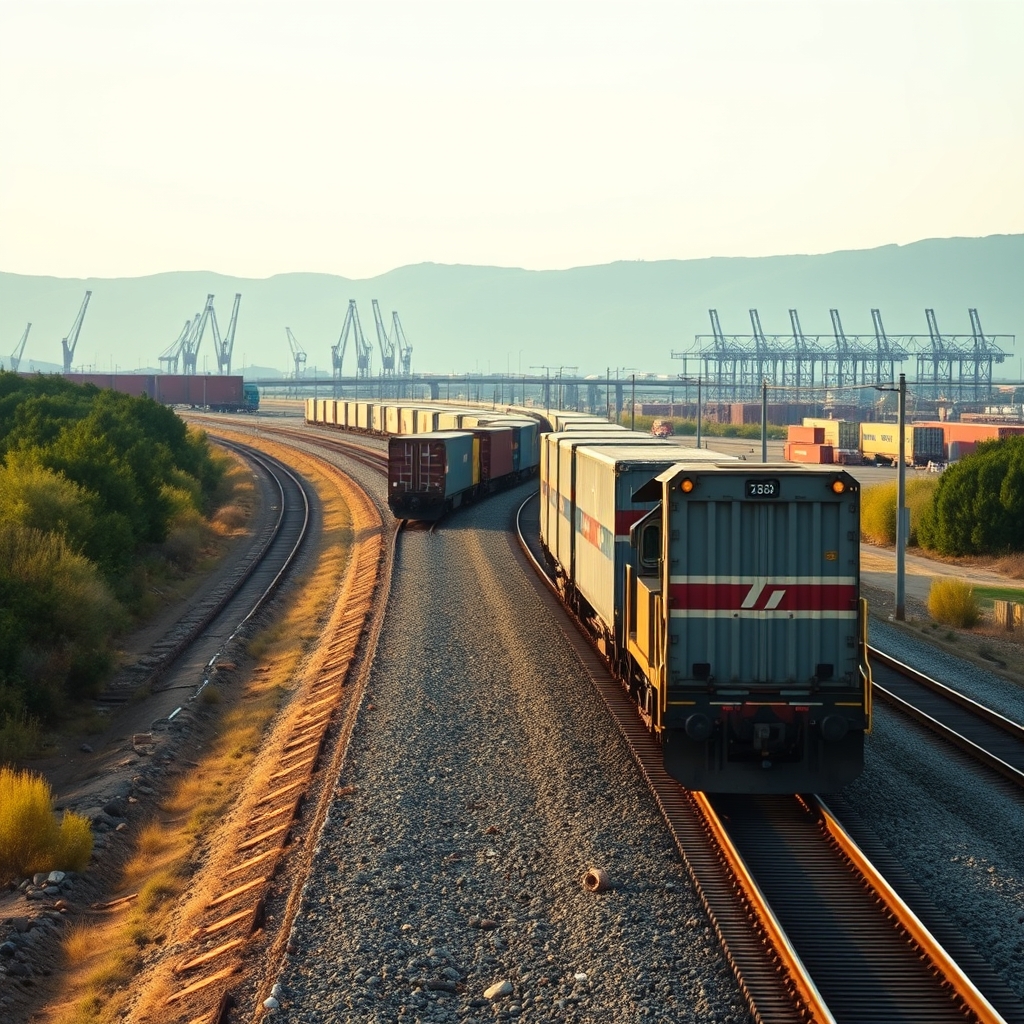
Schneider National has executed a major strategic realignment of its intermodal network, transitioning all of its eastern rail operations from CSX to Norfolk Southern. Announced concurrently with the company third-quarter earnings report, the agreement establishes Norfolk Southern as the exclusive eastern rail partner for Schneider, complementing the carrier existing western partnership with Union Pacific.
Evaluating Network Reach and Growth Potential
According to Michael Baumgardt, executive vice president of intermodal and logistics at Schneider, the transition followed a comprehensive assessment of network reach, train frequency, and proximity to major population centers. The carrier sought a partner capable of supporting substantial volume expansion while facilitating the transfer of freight from highway networks onto rail corridors. Customer feedback gathered during the initial twenty-four hours following the announcement demonstrated positive reception, particularly regarding Schneider asset-based service model utilizing company drivers, proprietary chassis, and dedicated containers.
Rail Expansion and Capacity Constraints
Norfolk Southern vice president Shawn Tureman noted that the rail provider has focused on expanding its intermodal capabilities for years, advancing from the third-largest to the second-largest intermodal franchise in the United States by 2018. Following a 2022 strategic initiative targeting another doubling of its intermodal franchise, the railway has systematically directed discretionary capital toward infrastructure enhancements. Industry conditions further amplify the value proposition of the shift, as traditional truckload freight rates currently carry a premium exceeding thirty percent over intermodal alternatives.
- Equipment availability remains stable, with sufficient container supply across the network.
- Primary operational bottlenecks center on drayage capacity and professional driver availability.
- Schneider company-driver model provides structural advantages in mitigating dray bottlenecks.
Transition Planning and Future Market Outlook
Both corporate leadership teams emphasized that impending regulatory or structural rail discussions were not the catalyst for the agreement, though potential network integrations could provide operational advantages. Planning for the transition commenced immediately, with Norfolk Southern accelerating specific infrastructure investments to ensure continuity. Company representatives indicated that disciplined freight selection, driver allocation, and collaborative sales efforts remain central priorities as both organizations prepare for anticipated demand through the upcoming freight cycles.