Meta Secures Low-Carbon Cement Supply with Multi-Year Agreement

In a strategic move to address heavy industrial emissions within its building supply chain, technology giant Meta has entered into a multi-year environmental attribute certificate agreement with green building materials manufacturer Fortera. The partnership aims to tackle one of the most difficult industrial sectors to decarbonize, as traditional cement manufacturing accounts for approximately eight percent of global carbon dioxide emissions.
Financing Low-Carbon Manufacturing Infrastructure
Under the terms of the new agreement, Meta will purchase environmental attribute certificates associated with approximately 200,000 tons of low-carbon cement produced by Fortera. These certificates allow corporations to address scope three supply chain emissions and finance the expansion of cleaner manufacturing capacity without necessarily taking delivery of the physical product itself. Fortera stated that this corporate demand signal provides the long-term revenue visibility required to secure project financing for its upcoming production facilities.
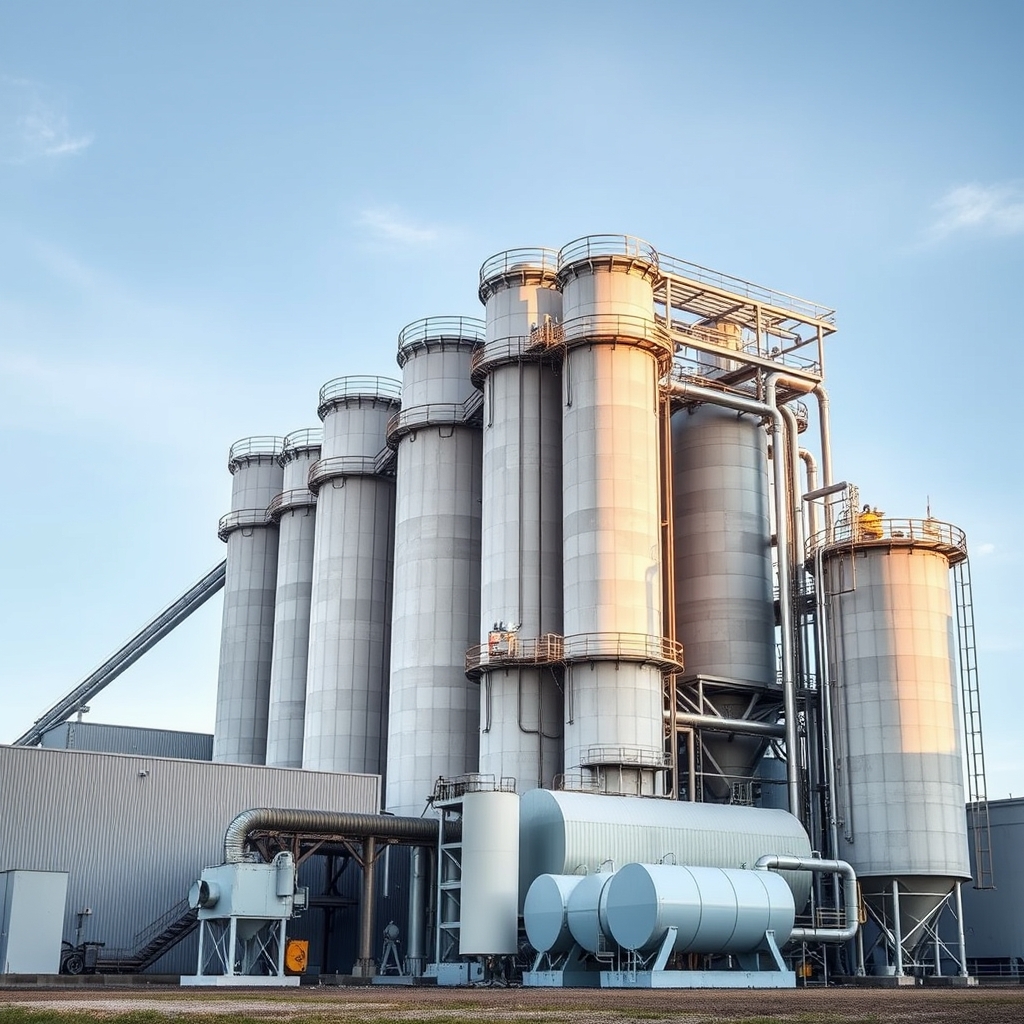
Specifically, the multi-year purchasing commitment supports the development and construction of the Fortera Cement Plant located in Ste. Genevieve, Missouri. According to company executives, this financial backing transitions the facility from the planning phase into actual production, creating local construction and long-term manufacturing jobs while introducing low-carbon building alternatives to the broader market.
Proprietary Technology Integration
Founded in California, Fortera specializes in developing emissions-reduction technology for the cement sector. The company utilizes a proprietary process known as ReCarb, which captures industrial carbon dioxide emissions and converts them into a primary feedstock for the production of its ReAct cement. This alternative building material yields a carbon footprint approximately seventy percent lower than ordinary Portland cement.
A key advantage of the ReCarb system is its ability to integrate directly into existing cement and lime facilities. This allows traditional manufacturers to retain their established kilns and distribution networks while transitioning to lower-emission production methods at cost parity with standard portland cement. Ryan Gilliam, chief executive officer of Fortera, emphasized that utilizing waste carbon dioxide as a primary feedstock transforms industrial decarbonization into a new economic engine for domestic manufacturing communities.
Corporate Strategy and Market Impact
Corporate sustainability leaders note that long-term offtake agreements and credit purchases are vital mechanisms for scaling nascent climate technologies. Devon Lake, head of net zero strategy at Meta, explained that multi-year commitments provide the financial certainty required to build capital-intensive industrial plants. By connecting corporate demand for sustainable building materials with regional domestic supply development, the agreement demonstrates how forward-looking procurement strategies can accelerate the integration of green materials into commercial construction.
In addition to purchasing the environmental attributes, Meta retains the flexibility to utilize the low-carbon cement directly in its own real estate and infrastructure construction projects. The technology giant also holds the option to expand both the volume and duration of the partnership in future years as its infrastructure footprint grows, signaling a sustained corporate commitment to industrial decarbonization.