Trek Bikes Accelerates Peak Season Digital Operations Using Cloud Commerce Tools

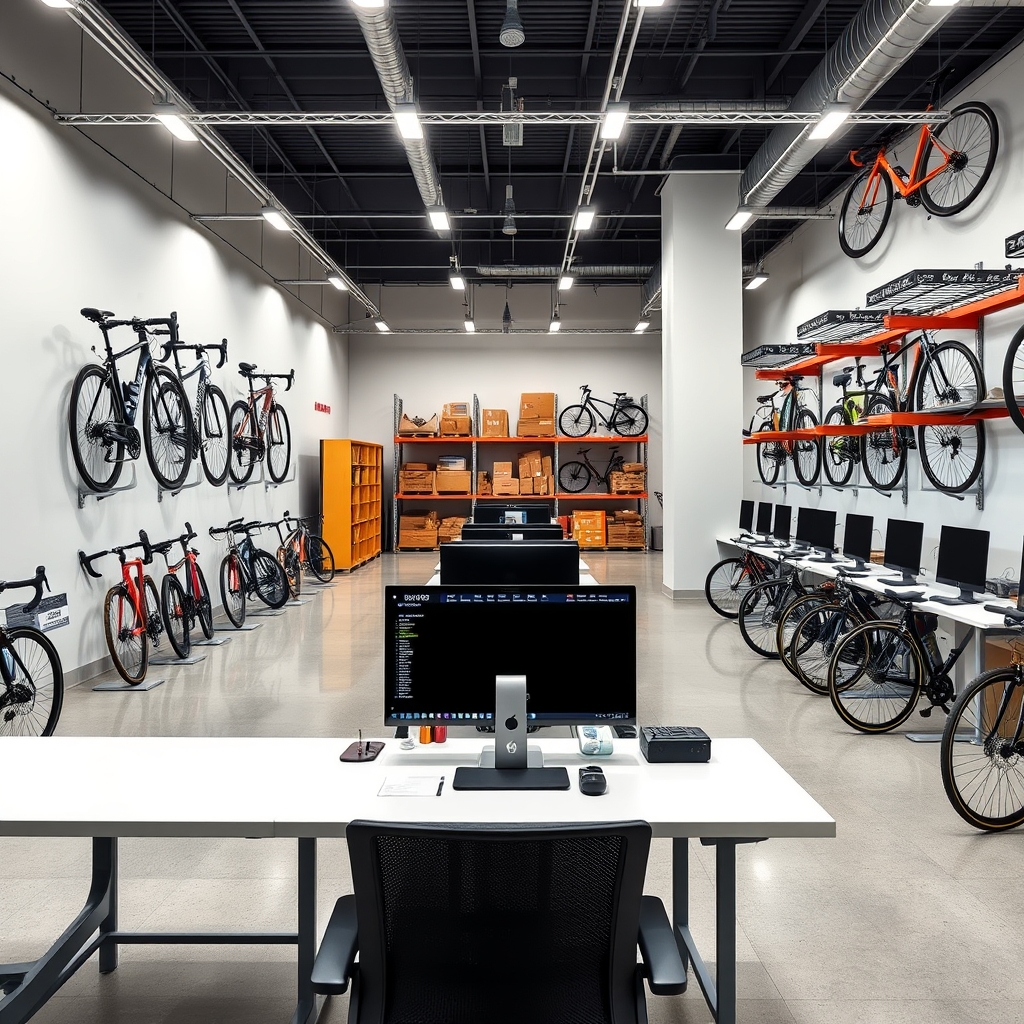
Retailers traditionally brace for a surge in customer traffic during late-year holidays, but major bicycle manufacturer Trek Bikes manages its heaviest demand windows multiple times throughout the year. The company experiences peak transaction periods during the spring months of March and April, as well as a secondary rush from late August through early October, when fresh product lines are released on a weekly basis. Maintaining operational momentum during these high-volume cycles requires exceptional digital speed and platform stability across every facet of the customer journey.
Managing High-Velocity Product Launches
According to Royce Thigpen, who leads Applications Development for Trek’s commerce platform, maintaining velocity is critical during peak operational cycles. The enterprise must ensure its web infrastructure remains stable and responsive, the checkout experience flows without interruption, and items transition rapidly from downstream systems to the online storefronts. The fast-moving cycling sector introduces continuous innovation, new competitors, and shifting buyer expectations, requiring the business to serve both individual retail consumers and an extensive worldwide network of dealers simultaneously.
By utilizing centralized enterprise commerce software, Trek unifies its consumer and dealer storefronts onto a single dependable architecture. This setup allows the company to leverage core product details while customizing individual storefront presentations to match regional inventory availability and specific market requirements. Localization and platform extensibility enable the enterprise to service multiple international territories efficiently without needing to construct distinct, standalone digital environments for every geographic region. This unified foundation helps coordinate essential marketing assets, pricing structures, search criteria, and inventory details to support frequent product releases.
Accelerating Issue Resolution with Automation
Platform readiness relies heavily on how quickly technical teams can diagnose and resolve unexpected digital hiccups. In previous years, resolving an online commerce glitch at Trek involved a multi-layered handoff process moving through analysts, software developers, business analysts, and quality assurance teams. Standard troubleshooting tasks frequently required a week or longer to reach production environments, consuming valuable engineering hours that could otherwise support product innovation.
To streamline these operations, the organization integrated automated preventive support capabilities alongside its core infrastructure. Trek also incorporated internal artificial intelligence automation to analyze operational signals and propose targeted remediation steps. Developers evaluate these proposed modifications and retain final accountability before deployment. The operational improvements have proven substantial:
- Incident resolution timelines dropped from one or two weeks down to a single day.
- Release analysis workflows that previously required weeks now finish within hours.
- Overall software development paths operate at least ten times faster than before.
- Developer time spent resolving bugs plummeted from roughly 25% down to just 1%.
By shifting routine maintenance burdens to an autonomous support pipeline, engineering teams gain significantly more capacity to focus on customer experience enhancements. Shoppers and dealers experience these technical upgrades through reliable website performance, rapid search responses, smooth checkouts, and timely product updates.
Maintaining Year-Round Platform Resilience
Trek’s digital operations illustrate that peak season readiness involves much more than simply provisioning temporary server capacity to handle seasonal traffic spikes. Deploying a resilient digital foundation that adapts continuously, surfaces potential issues proactively, and streamlines administrative decisions helps maintain momentum during high-demand windows while freeing internal teams to refine the digital shopping environment. The performance and scalability required during peak seasonal rushes remain just as critical during routine daily operations.
As Thigpen notes, ensuring a smooth ride both on the bicycle and across digital storefronts highlights the value of reliable platform support, ensuring that every operational day remains efficient and stable.