Amazon Business Links Inventory and Procurement Systems to Simplify Buying

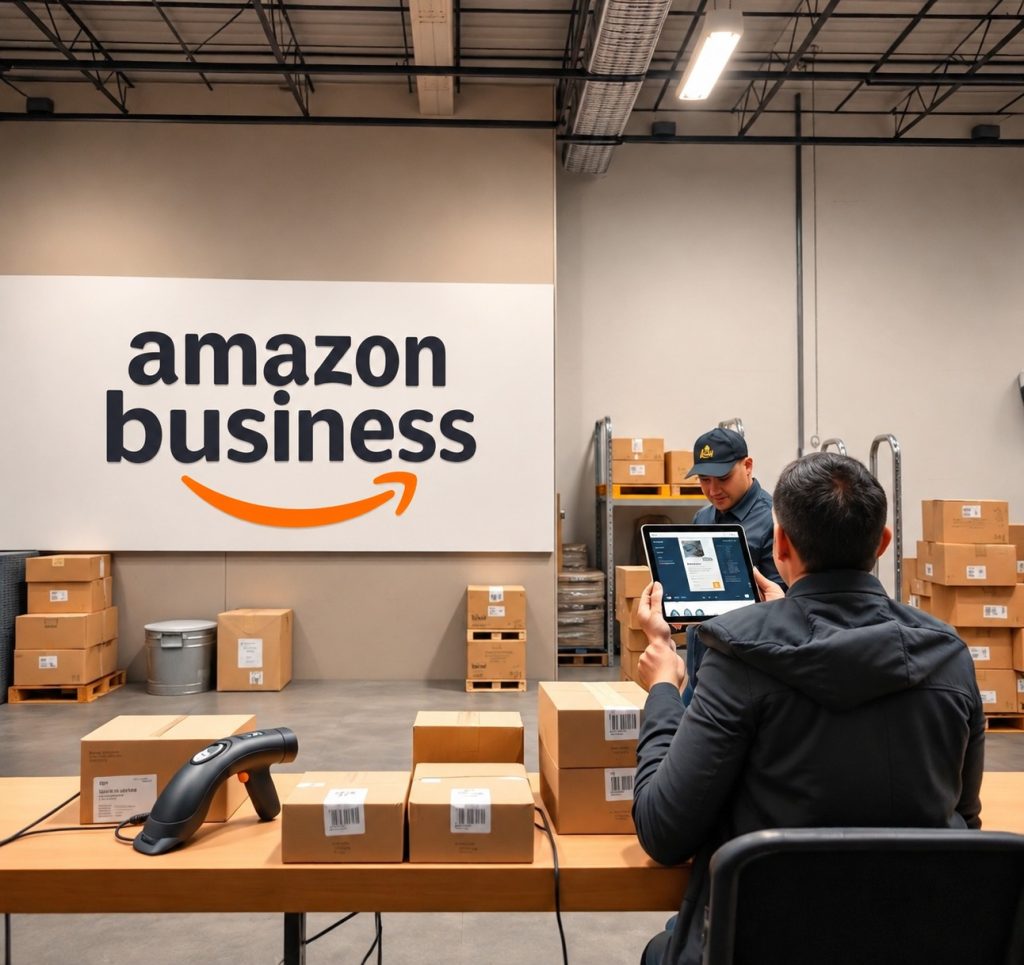
A sponsored description of Amazon Business highlights an effort to bring inventory and procurement systems closer together, with the stated aim of making business purchasing faster and more efficient. The brief source does not identify a new product launch, a specific software partner or a measured result. Its central proposition is that connecting information about what an organization has on hand with the processes it uses to buy can reduce friction in routine purchasing.
The idea addresses a familiar operational divide. Inventory tools track stock, quantities and replenishment needs, while procurement systems manage requests, approvals and purchases. When those processes are disconnected, employees may have to move between systems or rely on manual checks to determine whether an item is available or should be ordered. Bringing the workflows together could make purchasing decisions more informed, although the source does not describe how Amazon Business connects the systems or which functions are included.
Why coordination matters in purchasing
For companies with many departments, locations or recurring orders, routine buying can involve several steps: identifying a need, confirming that the item is not already available, securing approval and placing an order. Each handoff can add time or create opportunities for duplicate requests and inconsistent records. Better coordination between inventory and procurement data is therefore a practical objective for operations teams, not simply a software feature. The potential value depends on whether employees and systems can use reliable, current information throughout the process.
That coordination also has implications for finance teams. Purchasing records help organizations monitor spending, reconcile transactions and understand where money is going. Inventory information can add context to those records by showing whether a purchase corresponds to an existing shortage or replenishment need. Linking the two areas may help teams make the process easier to oversee, but it does not by itself establish that purchases are compliant with internal policies or that a company will reduce costs. Those outcomes depend on configuration, adoption and the quality of the underlying data.
Implementation questions remain
Technology and procurement leaders assessing this kind of approach would need to understand which inventory and purchasing platforms are supported, how data is synchronized and who can view or change records. They would also need to consider whether approval rules, supplier information and item descriptions remain consistent across systems. These are standard concerns when business applications exchange operational data. The source material does not specify Amazon Business integrations, technical requirements, implementation steps or the controls available to customers, so those details should not be assumed.
The distinction between a stated goal and a demonstrated result is important for buyers. The sponsored description says the systems are brought together to make business buying faster and more efficient, but it provides no performance figures, customer examples or comparison with other procurement methods. Organizations evaluating the proposition would need evidence relevant to their own workflows, including whether employees can complete purchases with fewer manual steps and whether finance teams can maintain the oversight they require. The source also does not name a particular inventory platform or procurement application.
A measured view of the opportunity
For business readers, the development is best understood as a statement about the role of connected purchasing workflows rather than a detailed announcement of new capabilities. Inventory and procurement processes are closely related, and coordinating them is a common goal for organizations seeking clearer purchasing operations. Whether a particular system achieves that goal depends on the features actually provided and how well they fit a company’s existing procedures. The available description leaves those specifics open, making integration details and evidence of operational impact the key questions for prospective users.
As companies review purchasing technology, the practical test is not simply whether systems can exchange information, but whether that connection supports accurate records, appropriate approvals and a usable experience for employees. Amazon Business’s description puts inventory and procurement coordination at the center of its approach to business buying. Further detail about supported systems and demonstrated results would be necessary to assess the scale of the benefits. For now, the stated objective is clear, while the implementation and outcomes are not elaborated in the source.