Artificial Intelligence Outpaces Humans in Identifying Critical Internet of Things Security Flaws

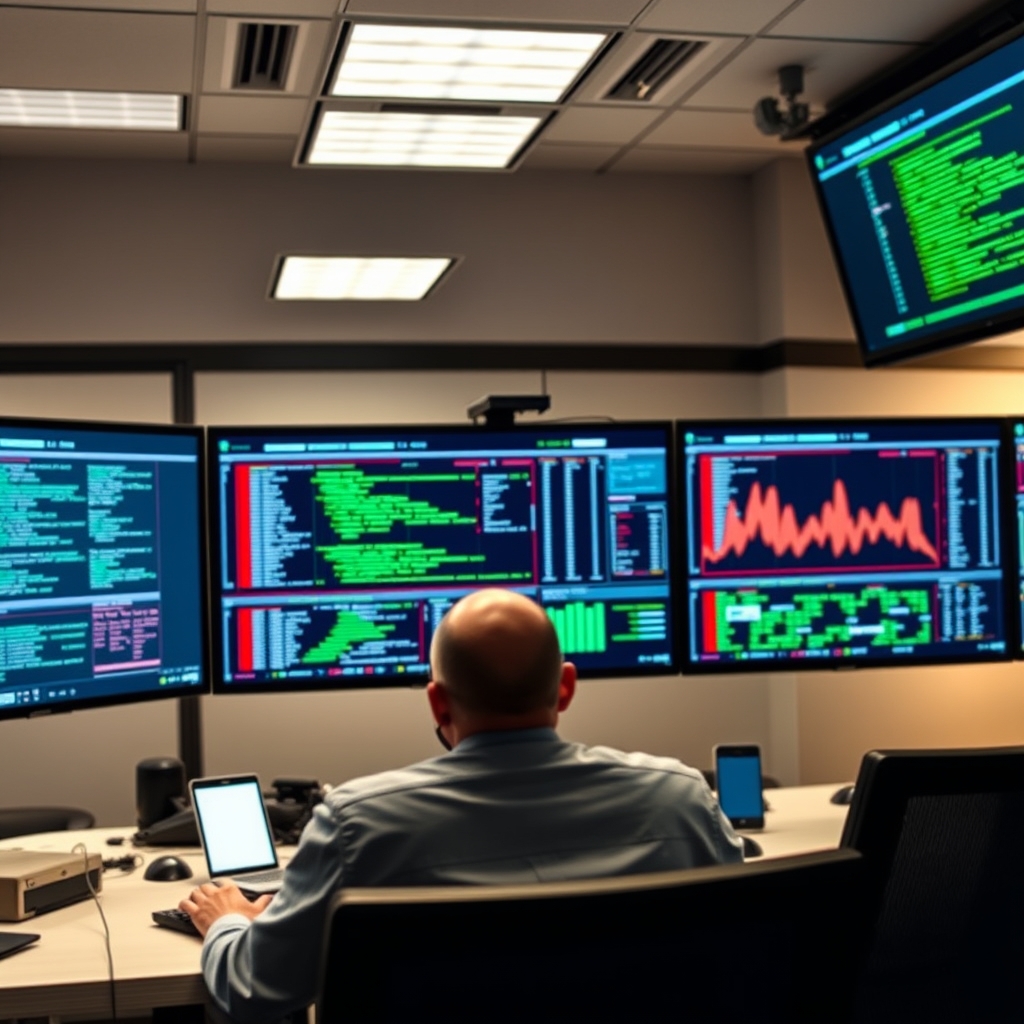
Recent findings released by cybersecurity researchers demonstrate that automated artificial intelligence systems can locate and analyze vulnerabilities within embedded software and internet-connected devices significantly faster and at a much lower cost than human auditing teams.
The Growing Capabilities of Automated Security Audits
As enterprises increasingly adopt cloud-based enterprise resource planning systems and interconnected operational infrastructure, securing edge devices and embedded software has become a massive challenge. Traditional security assessments often require extensive manual code reviews and penetration testing, which demand specialized human expertise and substantial financial investments. Recent technological evaluations indicate that machine learning models can dramatically compress these timelines.
Key advantages observed in the evaluation include:
- Significantly accelerated discovery timelines compared to conventional manual audits.
- Reduced operational expenditures associated with routine security analysis.
- Broader coverage across complex embedded system architectures and connected endpoints.
Implications for Infrastructure and Enterprise Security
While these advanced computational tools offer unprecedented efficiency in threat detection, they also highlight persistent structural weaknesses across critical national and enterprise infrastructure. Many operational technology systems were deployed without modern security architectures, leaving them susceptible to rapid exploitation if defensive patches are not deployed swiftly.
Industry experts emphasize that integrating automated vulnerability detection into existing software development lifecycles will be essential for maintaining resilience. Organizations must pair advanced machine learning capabilities with robust remediation strategies to protect vital connected assets from emerging threats.