Maximizing Household Budgets Through Digital Grocery Coupons and Rewards
Managing everyday household expenses requires a strategic approach, particularly when it comes to reducing food bills. According to financial contributor Andrew Schrage, leveraging modern technology can yield substantial savings at the checkout counter without requiring hours of manual clipping. By combining digital store applications, third-party rebate platforms, and optimized credit card rewards, consumers can construct a multi-layered savings strategy for their weekly shopping trips.
The Value of Free Store Loyalty Programs
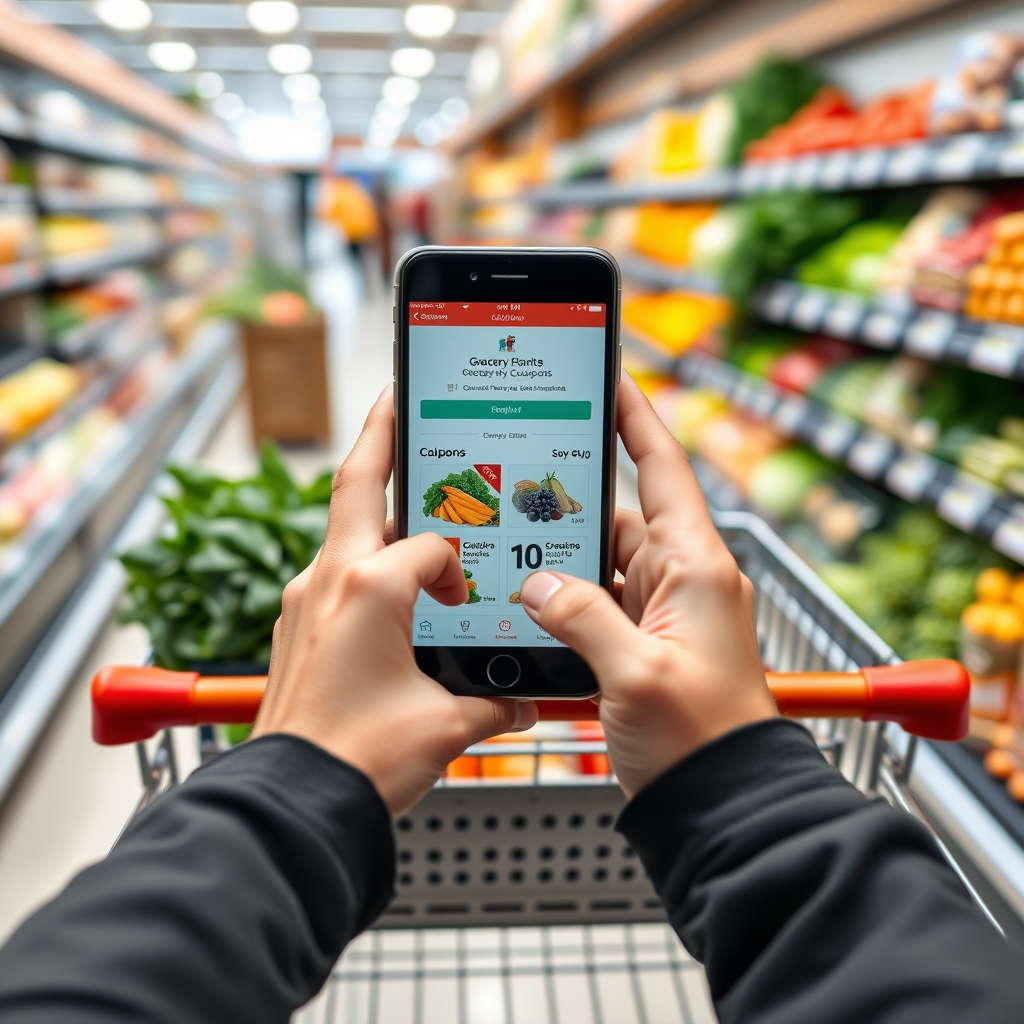
Modern supermarkets have largely transitioned their best discounts away from physical circulars and into proprietary mobile applications. Major chains, such as Safeway, maintain exclusive member pricing and digital-only coupons specifically for participants in their complimentary loyalty programs, like Safeway for U. Shoppers who neglect to create an account or fail to scan their membership profile at checkout routinely pay higher standard retail prices for identical goods.
Timing your digital coupon activation can also be remarkably flexible depending on the retailer. For instance, grocery operator Kroger permits customers to load digital coupons into their accounts immediately before scanning items. A shopper waiting in a checkout line can quickly browse the store’s application, tap to load relevant offers, and receive the associated discounts as long as the loyalty profile is scanned or entered prior to final payment completion.
Stacking Additional Savings with Rebate Apps
Beyond store-specific software, independent cash-back platforms introduce an extra layer of financial optimization. Applications like Ibotta provide retroactive rebates on specific purchased products. To maximize efficiency, consumers should integrate these rebate platforms directly with supported merchant accounts—such as those for Walmart and Dollar General—allowing qualifying purchases to automatically register earnings without requiring manual receipt uploads.
However, consumers must remain attentive to the specific terms and conditions governing these offers. Platforms like Ibotta frequently prohibit payouts on items that have already utilized a competing manufacturer coupon, whether paper or digital. Shoppers are advised to compare the savings potential of each available discount mechanism and select the option that yields the lowest final price.
Strategic Payment Methods for Extra Rewards
The final component of an optimized grocery run involves selecting the appropriate payment instrument. Using a credit card that specifically rewards grocery store purchases can further discount the remaining total after all digital coupons and rebates have been applied. Financial writers note that major credit card issuers, including American Express, Capital One, and Chase, often exclude large superstores like Walmart and Target from their designated grocery reward categories, meaning purchases at those specific superstores typically earn only the card’s standard baseline rate.
Finally, consumers should routinely inspect their paper or digital receipts immediately following checkout. Major retailers, including Kroger, explicitly label applied digital discounts on transaction records to help customers verify that all loaded promotions successfully processed. In the event of a discrepancy, raising the issue directly with cashiers or customer service ensures that promotional savings are fully realized.
Source: Money Crashers