U.S. Senate Advances Legislation to Extend Federal Terrorism Insurance Backstop Through 2034
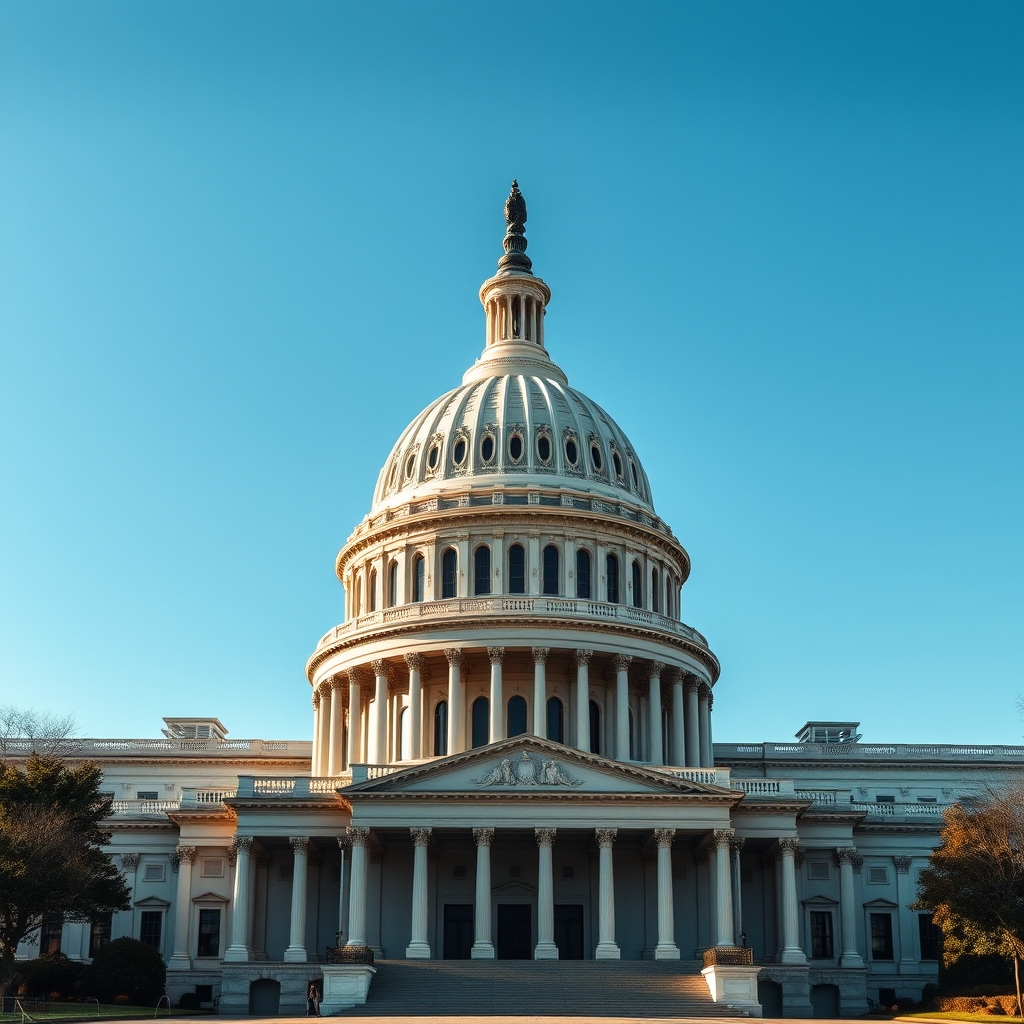
The United States Senate has taken a definitive step toward securing the nation’s commercial real estate and development sectors by passing legislation to reauthorize the federal terrorism insurance backstop. Approved by unanimous consent in late September, the measure aims to extend the critical public-private program until 2034, pushing past its current expiration date at the end of 2027.
The legislative vehicle, known as the Terrorism Risk Insurance Program Reauthorization Act of 2026 (S. 4395), follows a unanimous 24-0 vote by the Senate Banking Committee to advance the package. This Senate action mirrors momentum from the U.S. House of Representatives, which overwhelmingly passed its own version of the extension earlier in the summer. The original public-private partnership was established under the Terrorism Risk Insurance Act (TRIA) in the wake of the September 11 attacks, when private coverage for terrorism virtually vanished from the marketplace.
Industry advocacy groups quickly lauded the Senate’s decisive bipartisan action. Sam Whitfield, senior vice president of federal government relations and political engagement for the American Property Casualty Insurance Association (APCIA), emphasized the broader economic implications of the vote. He noted that the action reflects a strong, bipartisan understanding that the program remains vital for sustaining economic stability, encouraging capital investment, and guaranteeing the continuous availability of terrorism risk protection for commercial enterprises and local communities nationwide.
Although the Senate and House measures share the core objective of extending the federal backstop, minor differences between the two legislative texts remain. Lawmakers will now need to reconcile these discrepancies or adopt a unified version before sending a final bill to the president. Leading insurance trade associations have urged members of Congress to act swiftly to bridge the gap and secure final passage.
Under the framework of TRIA, privately insured commercial risks are backbacked by the federal government when an incident is officially certified as an act of terrorism by the Secretary of the Treasury and aggregate industry losses cross a specific statutory threshold. The program incorporates strict insurer deductibles and copayment structures. According to data from the Insurance Information Institute, the federal backstop has never been triggered by a certified terrorism event since its inception.
Despite remaining inactive in terms of direct payouts, the backstop plays a foundational role in everyday commerce. Jimi Grande, senior vice president of federal and political affairs for the National Association of Mutual Insurance Companies (NAMIC), pointed out that national development and construction rely heavily on accessible terrorism coverage to secure financing and generate employment opportunities.
Grande also highlighted the unique underwriting hurdles associated with terrorism risks, contrasting them with predictable natural catastrophes. Because terrorism is an evolving, deliberate threat, malicious actors continuously adapt their strategies to bypass existing defenses. Furthermore, underwriters face the challenge of operating without access to specific data on intercepted plots, as such intelligence is typically restricted for national security reasons.
Because insurance carriers and corporate policyholders are already actively negotiating commercial policies that extend well past the current 2027 expiration window, industry stakeholders pushed for early legislative intervention. Securing prompt reauthorization helps eliminate market uncertainty, allowing developers, lenders, and employers to plan long-term capital projects with confidence.
Proponents underscore that the federal program has successfully safeguarded consumers, businesses, and taxpayers for more than twenty years while operating at virtually negligible cost to the federal government. As lawmakers work to reconcile the remaining differences between the House and Senate bills, the insurance sector remains optimistic that a finalized reauthorization package will reach the desk of the president before the close of the year.
Source: Carrier Management