Federal Reserve Weighs Raising Asset Thresholds to Ease Strict Bank Oversight Rules
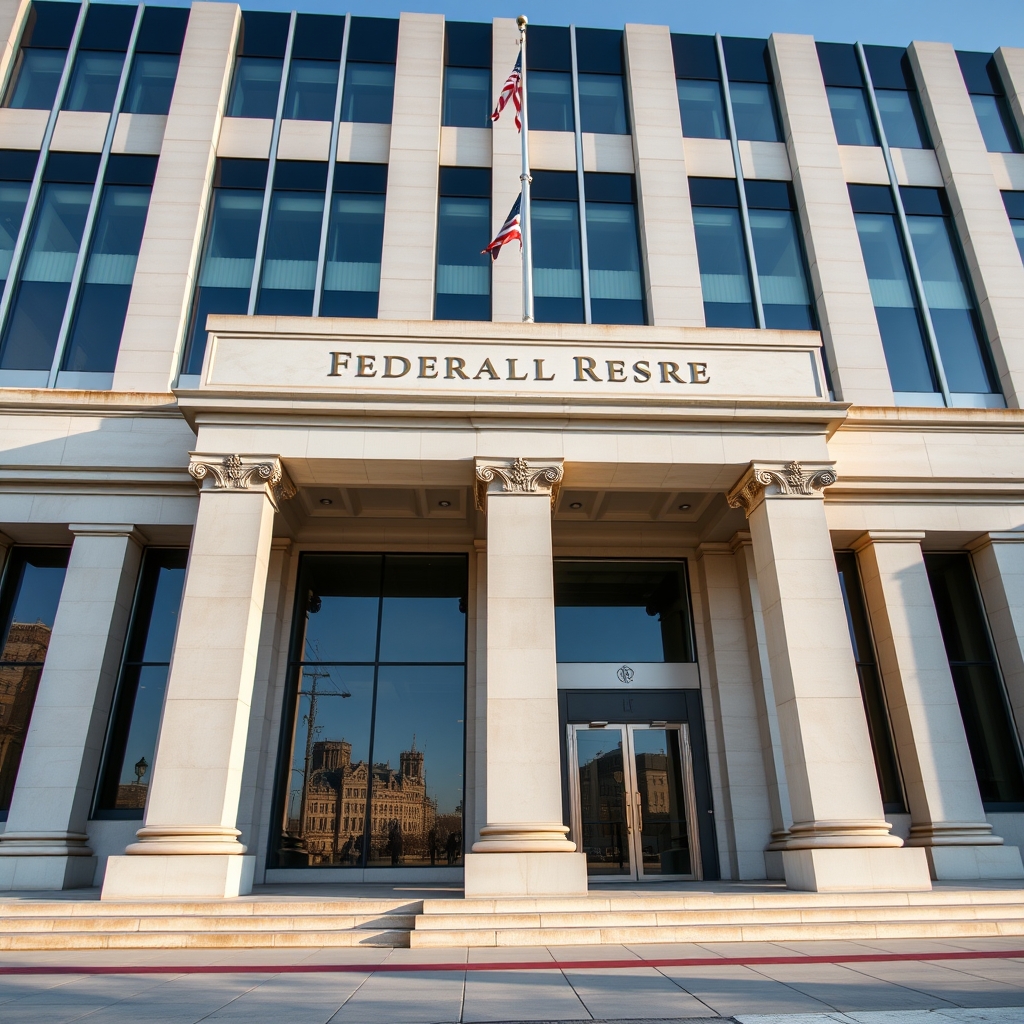
The United States Federal Reserve is reportedly preparing to increase the asset thresholds that determine which large financial institutions face stricter regulatory oversight. According to a report by Reuters published on Friday, September 25, 2026, which cited unnamed sources familiar with the matter, the central bank is considering significant adjustments to the asset boundaries that mandate intensive supervision.
Under the potential revisions, the lower threshold for certain regulatory requirements would rise from the current $100 billion in assets to approximately $150 billion. Furthermore, the highest tier threshold could climb from $700 billion to roughly $1 trillion. Crossing these financial milestones subjects institutions to rigorous regulatory obligations, including mandatory balance sheet stress tests, stringent liquidity assessments, and enhanced capital adequacy rules.
Complying with these elevated oversight standards requires major financial institutions to allocate tens of millions of dollars annually. These expenditures typically support expanded compliance personnel, sophisticated risk management architectures, advanced stress-testing capabilities, and comprehensive regulatory reporting frameworks. Adjusting the limits upward is intended to account for broader economic growth and cumulative inflation since the existing thresholds were officially established in 2019. By recalibrating these levels, the central bank could relieve mid-sized institutions from the heavy financial burdens associated with top-tier regulatory compliance.
While formal proposals regarding the higher thresholds could emerge later this year, the Federal Reserve declined to comment on the reported plans when contacted by Reuters. The concept of reindexing these limits is not entirely new to the central bank’s leadership. In January, Federal Reserve Vice Chair for Supervision Michelle Bowman indicated that the institution would evaluate updating the thresholds, though the Fed has maintained a quiet stance on the subject in the months since.
This potential policy shift aligns with broader ongoing efforts by the Federal Reserve to refine its supervisory approach and reduce regulatory complexities for financial institutions. In June, Bloomberg reported that Vice Chair Bowman had successfully executed a reorganization of the agency’s bank oversight division. The restructuring aimed to direct supervisory resources toward fundamental financial risks. Addressing an audience in an October speech the previous year, Bowman noted that the bank regulatory apparatus had expanded substantially over time, resulting in an overly complicated framework that imposed unnecessary and significant operational costs on both banking institutions and their clientele.
Regulatory adjustments have also involved collaborative actions across multiple agencies. In March, the Federal Reserve joined forces with the Federal Deposit Insurance Corporation and the Office of the Comptroller of the Currency to unveil joint regulatory proposals. The participating agencies stated that these measures were designed to refine specific elements of capital and stress-testing mandates that were originally introduced or intensified following the global financial crisis. According to the regulatory bodies, the proposals seek to streamline capital frameworks for banks of diverse sizes, establish a closer alignment between regulatory capital and underlying risk profiles, and preserve the overall safety and stability of the banking sector.
Key Implications for Financial Institutions
- Mid-sized banks holding between $100 billion and $150 billion in assets could potentially be exempted from top-tier compliance mandates.
- Institutions qualifying for the higher thresholds would save substantial capital currently dedicated to compliance staffing and risk infrastructure.
- Regulatory agencies continue to evaluate strategies that balance system-wide financial stability with proportionate oversight for banks of varying scales.
As the Federal Reserve weighs potential formal proposals later in the year, banking sector participants and market observers await official confirmation regarding the scope and timeline of any structural changes to regulatory asset thresholds.
Source: PYMNTS