Indian Semiconductor Startup Bharat Semi Secures $24 Million Seed Financing to Advance AI Image Sensors

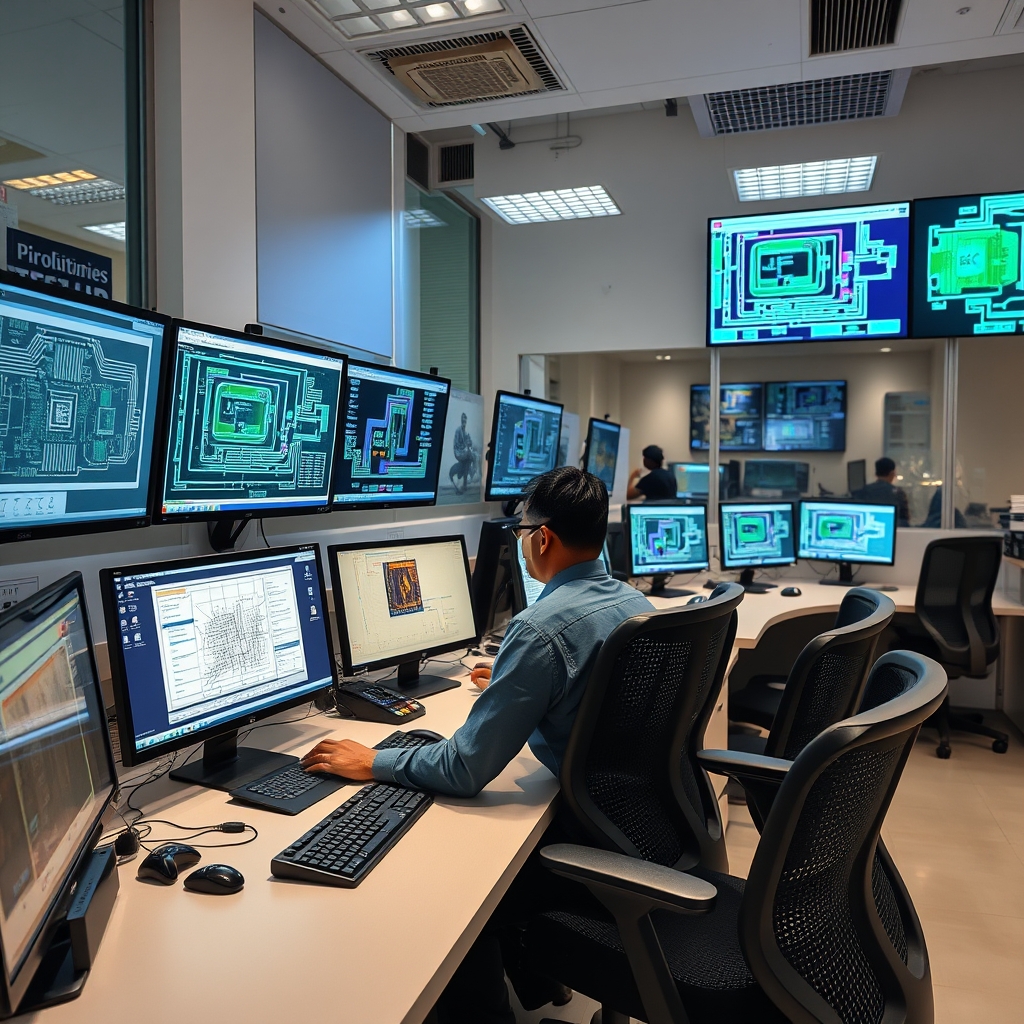
Bharat Semi, a New Delhi-based semiconductor enterprise, has successfully raised $24 million in an all-equity seed financing round. The nearly five-year-old pre-revenue startup plans to allocate the capital toward expanding its engineering workforce, finalizing product development, and commercializing its proprietary programmable image sensors for international markets.
Targeting Global Markets and Strategic Applications
The funding round was spearheaded by Info Edge Group, South Park Commons, and Indus Bridge Ventures, with supplementary investments from Valour Capital, Micromax, Gaingels, and several individual backers. Co-founded in late 2021 by Vrinda Kapoor and Vinayak Dalmia, the firm operates with a fabless business model, meaning it outsources physical manufacturing while concentrating heavily on semiconductor design and proprietary software development.
Bharat Semi is engineering programmable image sensors that integrate image capture, processing, and artificial intelligence capabilities onto a single chip. According to company leadership, this integrated approach eliminates the necessity of routing visual data to separate processors, which could potentially reduce overall system costs by at least 70% when compared against traditional setups utilizing distinct image sensors, image signal processors, and systems-on-chip.
Expanding Footprint and Product Roadmap
- The startup currently maintains approximately 75 employees distributed across India and the United States, including a contingent of 10 to 12 personnel handling engineering and business development in Santa Clara.
- Management intends to scale the U.S. headcount to roughly 20 professionals by mid-2027 while actively initiating engineering recruitment efforts across Europe.
- Initial commercial production for its first-generation sensors is scheduled for 2027, with prototyping already underway.
- Second-generation components featuring enhanced artificial intelligence functionalities are projected to reach the prototyping stage by mid-2027, targeting commercial distribution by the conclusion of that year.
The enterprise has already secured early design wins with United States-based defense technology firm General Atomics and domestic entity Kaynes Semicon, although its core image sensors remain under development. Leadership highlights target sectors including smart homes, industrial automation, surveillance, and aerospace applications, citing potential use cases such as automated climate control systems and autonomous drones capable of processing visual data independently of expensive computing hardware.