Nestle Confirms Plans to Shutter Ohio Facility by Late 2027

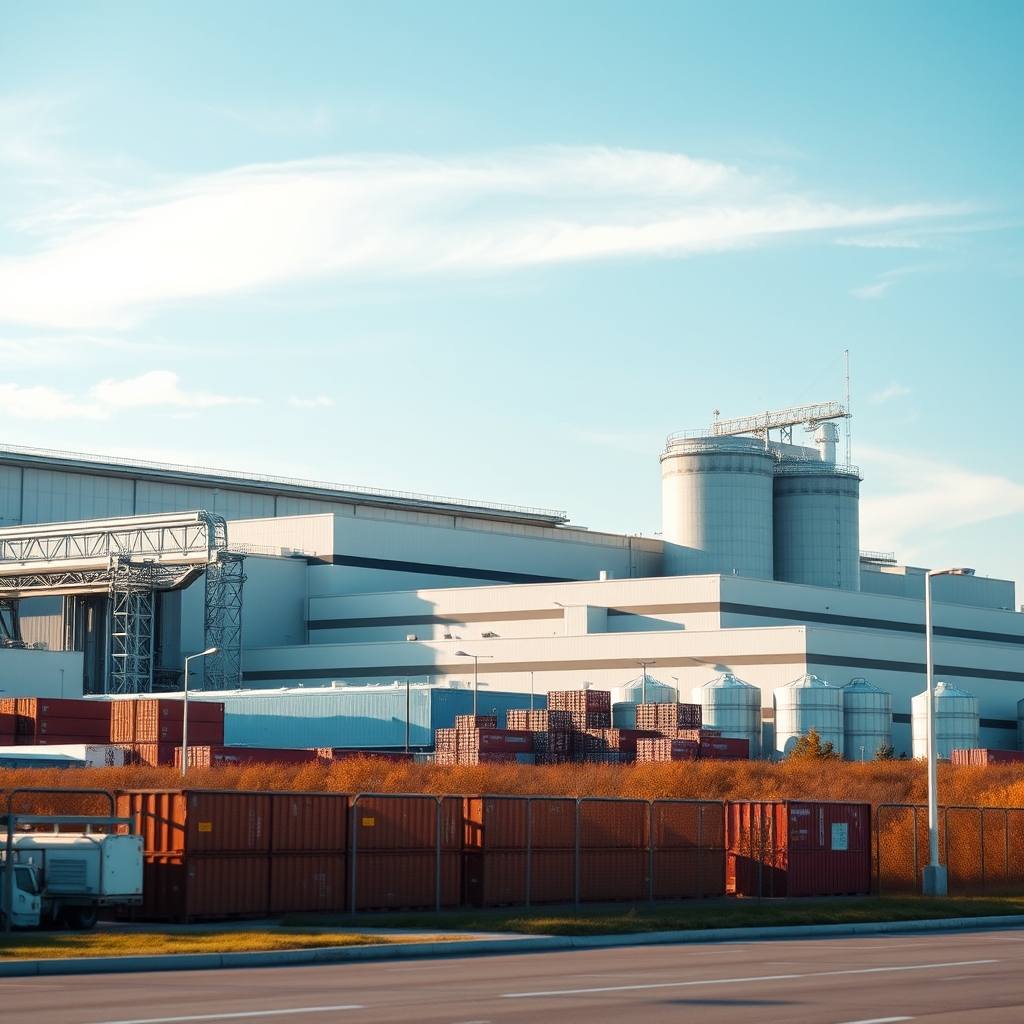
Food and beverage conglomerate Nestle has announced plans to permanently close its production facility located in Solon, Ohio, by the end of 2027. The decision marks a significant shift in the company operational footprint within the United States as corporate leadership looks to adapt to evolving market demands and changing volume requirements across its product portfolio.
According to corporate communications, manufacturing operations currently housed at the Ohio site will be systematically transitioned to an existing facility in South Carolina. Executives described the relocation as the most sustainable path forward for the organization, citing long-term efficiency goals and the necessity to align production capacity with shifting consumer preferences.
Strategic Shifts and Manufacturing Redundancies
The closure reflects ongoing adjustments within large-scale consumer packaged goods supply chains. As demand patterns fluctuate, major market players frequently review their industrial assets to optimize output and reduce operational overhead. The phased transition through 2027 is intended to minimize disruption for retail partners while reallocating manufacturing assets to the South Carolina location.
- Facility shutdown slated for completion by December 2027
- Production lines moving to South Carolina infrastructure
- Corporate rationale centers on sustainability and changing volume needs
Impacted workers at the Solon plant will be facing displacement as the company winds down activities over the next few years. Corporate representatives have indicated that transition support will be provided, though specific details regarding severance and placement assistance remain tied to internal labor discussions and local regulatory requirements.
Implications for Regional Supply Chains
The departure of a major production plant leaves a notable gap in the local industrial ecosystem of northeastern Ohio. Regional suppliers, logistics providers, and local municipalities connected to the facility will need to adjust to the forthcoming loss of commercial volume. Meanwhile, the receiving facility in South Carolina is expected to experience increased activity as it absorbs the expanded manufacturing responsibilities.
As the 2027 deadline approaches, industry observers will be monitoring how Nestle executes the complex asset transfer. Balancing labor considerations, supply continuity, and environmental sustainability goals will remain central to the multi-year transition process.