North Dakota Crude Producers Pivot to Truck Transport Amid Pipeline Disruption

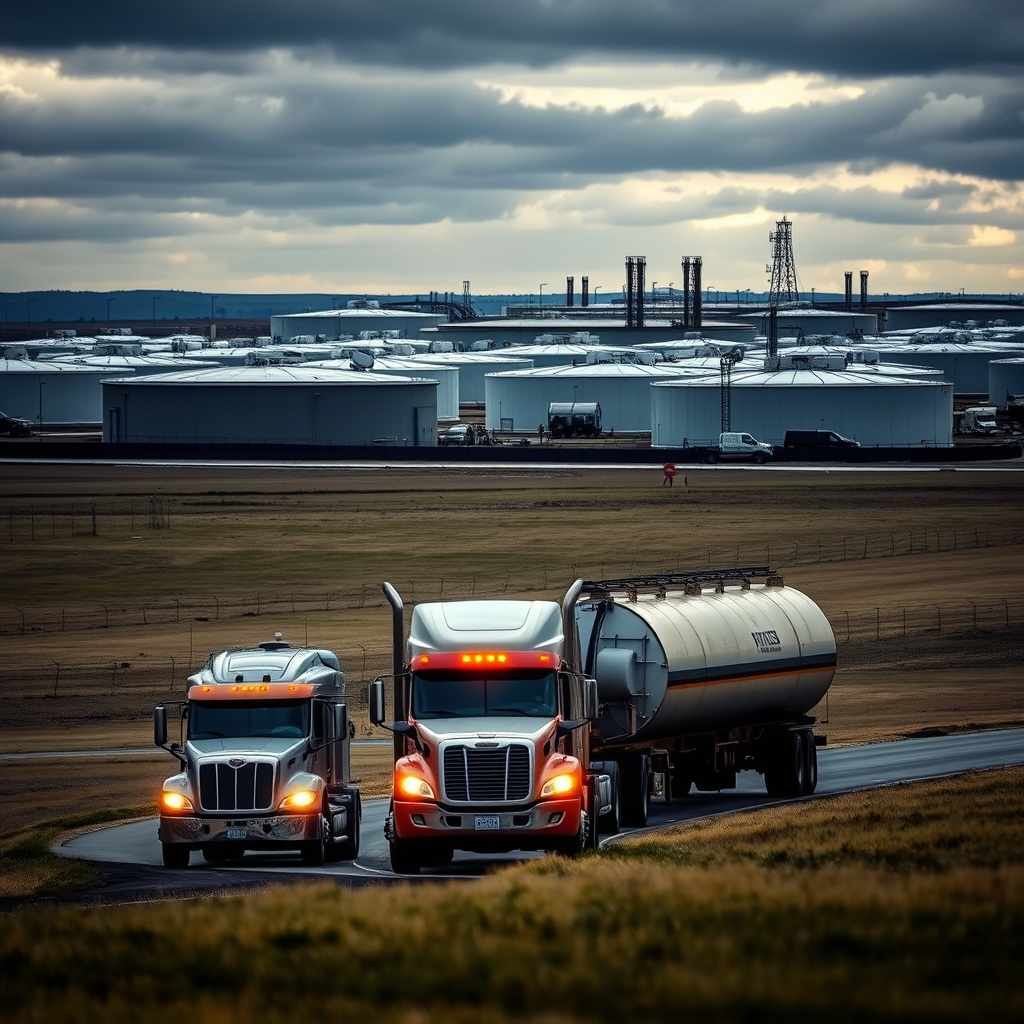
Energy companies operating in the Bakken formation are increasingly relying on commercial trucks to haul crude oil following a prolonged operational disruption on a major pipeline system managed by Enbridge Inc. Producers are racing to find alternative transport methods to prevent immediate production shut-ins as storage facilities rapidly approach capacity.
Pipeline Restrictions and Contamination Testing
The North Dakota Pipeline has been operating at reduced capacity following an influx of reports regarding tainted crude oil. In response to the contamination, operator Enbridge implemented rigorous testing protocols for organic chlorides, a chemical compound known to cause severe corrosion in refining equipment. The enhanced screening process has significantly slowed throughput across the network.
While Enbridge has indicated that efforts are underway to restore normal operations, the company has not yet provided a definitive timeline for a full restart. The resulting bottleneck has left regional drillers scrambling to clear accumulated inventory from surface storage tanks.
Logistical Challenges and Market Impacts
Industry participants note that some producers and marketers are actively trucking oil volumes directly to delivery points on the Dakota Access Pipeline. However, securing an adequate fleet of transport vehicles remains a pressing hurdle. According to Jeremy Irwin, global crude lead for Energy Aspects Ltd., storage tanks across the region are filling up fast, raising the specter of mandatory production curtailments if transport capacity fails to keep pace.
The logistical disruption has already triggered downstream consequences for regional refining operations. At least two Midwest refiners have declared force majeure, temporarily suspending their acceptance of Bakken crude deliveries due to the chemical contamination issues.
- Producers utilize trucking to bypass affected pipeline segments.
- Storage facilities near capacity risk forcing production shut-ins.
- Midwest refiners declare force majeure over crude quality concerns.
Market analysts suggest that the ongoing pipeline outage could accelerate inventory drawdowns at the vital storage hub in Cushing, Oklahoma. As Midwest refiners deplete their reserves of light sweet oil, the broader pricing dynamics for benchmark West Texas Intermediate crude futures may experience shifting pressures.