Poundland Faces Uncertain Future Amid High-Stakes Restructuring Dispute

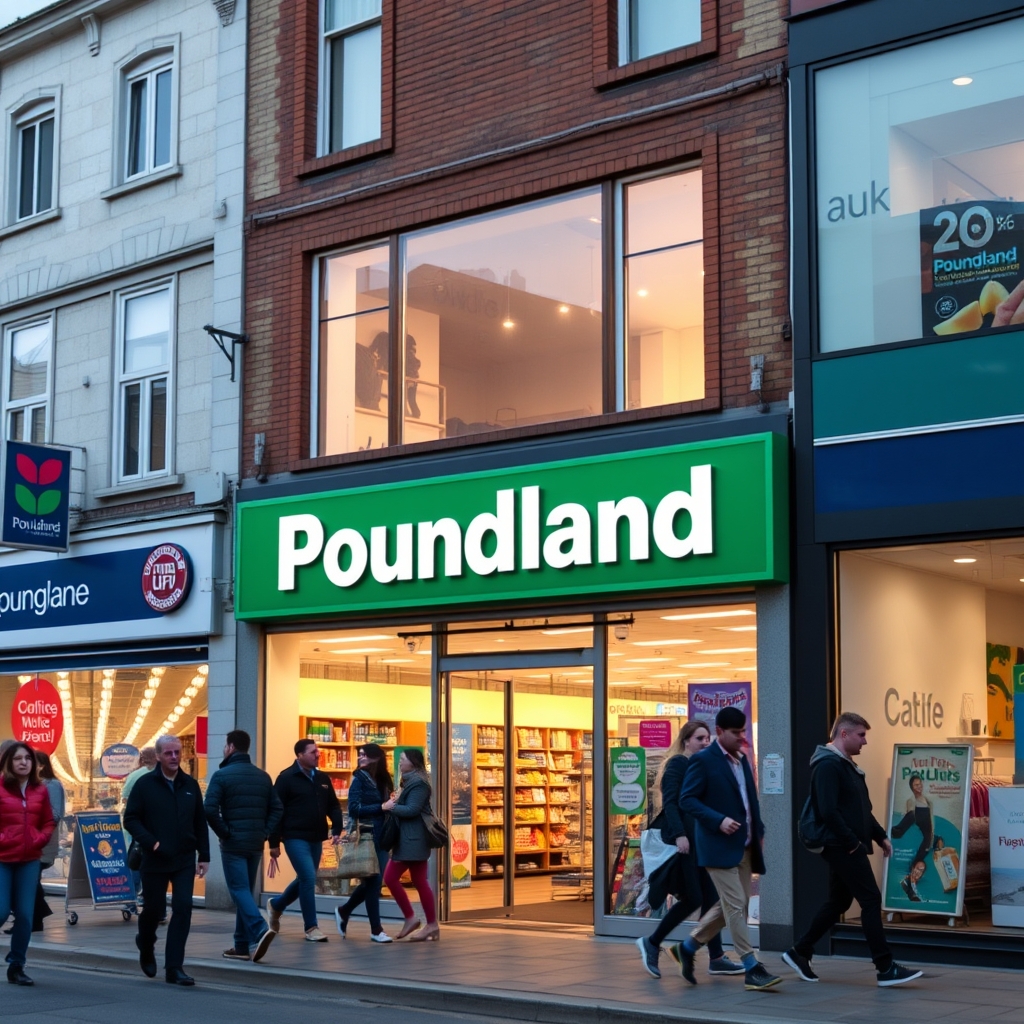
The future of discount retail chain Poundland hangs in the balance as the high street giant confronts the threat of administration. Owned by United States-based investment firm Gordon Brothers, the company has found itself at the center of a tense operational standoff despite showing encouraging signs of financial recovery. The unfolding situation has drawn intense scrutiny from market analysts, insolvency professionals, and political figures alike, highlighting the complex dynamics between private equity ownership, corporate lending, and retail survival.
Financial Turnaround Versus Owner Restrictions
Market observers note that the retailer’s current distress stems primarily from ownership and funding complications rather than a collapse in consumer demand. Over the twelve-month period leading to September, the business reversed a previous sixty-eight million pound loss, posting an operational profit before interest, tax, and specific accounting adjustments. Momentum continued into the autumn trading period, supported by robust customer traffic and strong seasonal sales. Key retail metrics demonstrated positive momentum heading into the critical Christmas season:
- First-quarter like-for-like sales registered a seven percent increase year-on-year.
- Operational profits for the initial quarter rose by one point two million pounds compared to the previous period.
- Halloween sales outperformed previous benchmarks by more than eleven percent, serving as a reliable indicator for holiday trading potential.
Despite busier tills and improved trading health, Gordon Brothers restricted the retailer’s access to vital cash reserves needed for inventory replenishment and daily operating expenses. Approximately fifty million pounds in funds were initially frozen, though the investment firm subsequently released a portion of those funds to provide temporary operational breathing room.
Corporate Creditors and Competing Rescue Bids
The tension largely stems from the dual role played by Gordon Brothers as both the corporate owner and the principal secured lender. Having acquired the retail chain for a nominal fee, the private investment firm holds significant debt claims, including an inherited shareholder loan. Insolvency experts point out that a lender prioritizing immediate debt recovery can sometimes pursue a path divergent from protecting broad employment numbers.
Several prospective buyers have emerged to acquire the business as a going concern, including the Irish firm Martin Property Group and London-based holding company Xyra Group alongside an undisclosed third bidder. However, Gordon Brothers has also weighed options to break up the sprawling store estate, arguing that a fragmented sale might offer longer-term structural security for shop staff if buyers commit to retaining personnel. Critics argue that the private equity owner risks driving the enterprise downward to maximize recovery through insolvency proceedings, a claim firmly denied by the investment management firm.
Political Pressure and the Critical Holiday Window
The high-stakes corporate drama has prompted active intervention from political stakeholders, including prominent government leaders who have questioned the rejection of viable rescue proposals that would have preserved thousands of jobs. Parliamentary committees have also engaged with corporate representatives to demand transparency regarding the handling of the sale process.
With a short-term deadline extension providing a temporary reprieve for rescue negotiations, industry specialists emphasize that the ultimate survival of the discount chain depends entirely on maintaining fully stocked shelves during the lucrative November and December retail period. Whether the business achieves a solvent corporate acquisition or faces a managed break-up remains a pivotal test for distressed retail restructuring under private equity stewardship.