Reshaping Enterprise Teams for AI-Driven Value Creation

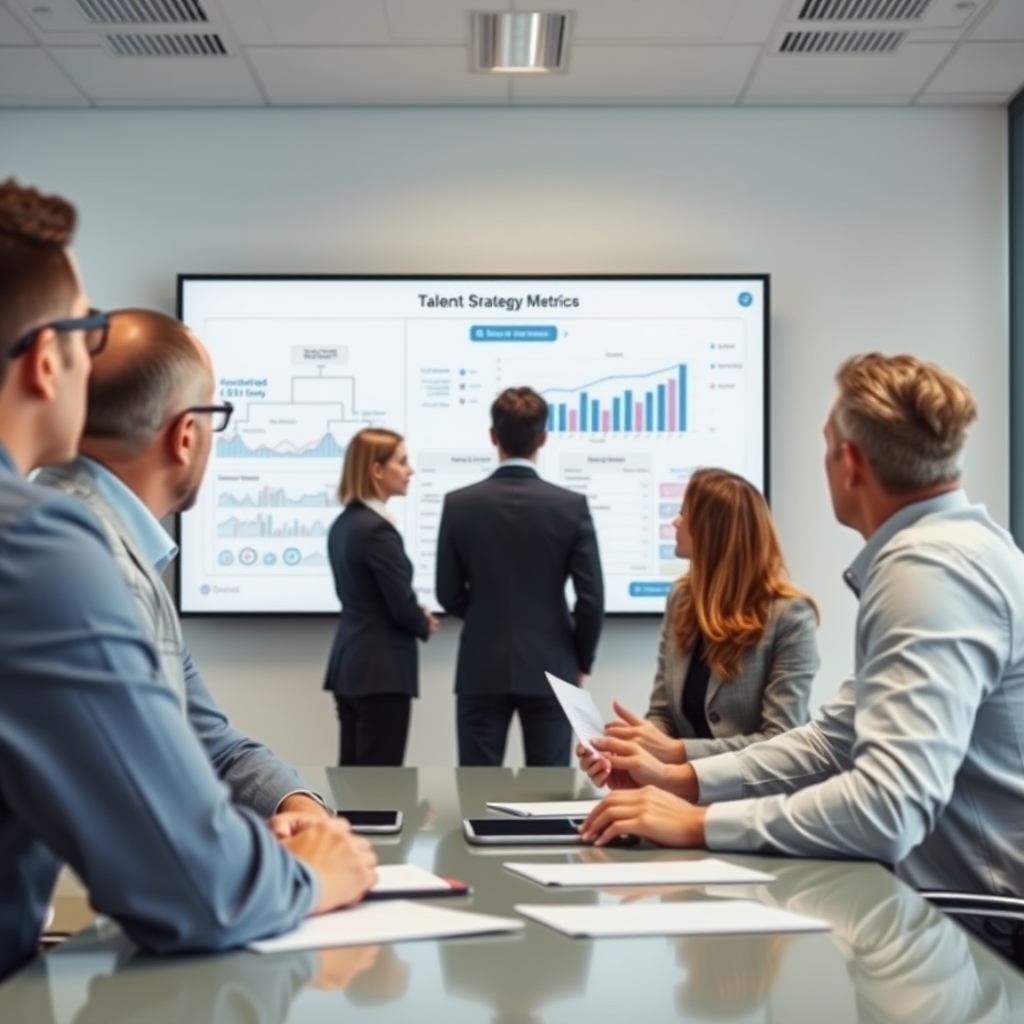
Organizations are increasingly recognizing that integrating artificial intelligence into daily operations requires a fundamental redesign of critical team structures. Traditional talent strategies must evolve to capture the full economic value of automated workflows, moving beyond individual productivity gains to evaluate how groups collaborate and execute tasks. Industry analysts emphasize that future value creation depends heavily on restructuring how workers are deployed across different operational units.
The Evolution of Agile and Optimized Teams
Enterprise teams typically fall into distinct categories when facing artificial intelligence integration. Agile units, which handle dynamic and creative work such as software development and product management, face significant changes due to accelerated task completion times. While automation boosts individual output, it often introduces friction and decision drag as employees navigate increased verification duties. To counter these collaboration bottlenecks, companies are increasingly adopting smaller working groups, sometimes referred to as tiny teams, to maintain operational momentum.
Conversely, optimized teams focus on predictable, standardized tasks such as customer support, shared services, and warehouse fulfilment. With generative and agentic technologies automating routine procedures, these legacy structures are morphing into complex resolution units and platform teams. Complex resolution units handle high-risk exceptions that autonomous agents cannot resolve, while platform teams focus on the continuous development of internal digital products and operational tooling.
- Agile teams transition toward smaller working groups to reduce collaboration friction.
- Optimized units evolve into specialized complex resolution and platform teams.
- Staffing models shift from raw headcount reduction to planning for increased team demand.
Adapting Talent Strategies and Management Roles
As job compression and expanded remits become common within smaller working groups, traditional hiring and employee development frameworks face new pressures. Organizations can no longer rely solely on legacy pipelines of specialized skills. Instead, internal build strategies and proactive upskilling programs are essential for preparing workers to navigate complex responsibilities.
People managers must also transition from traditional direct coaching to acting as connector managers. Because managers may not possess every emerging technical skill, their primary objective is linking employees to the correct resources and fostering high levels of individual agency. Furthermore, incorporating AI simulations and cybernetic teammates into training pipelines helps junior staff master critical competencies safely before managing high-risk escalations.
Strategic Workforce Planning and Redeployment
Enterprise leaders must approach workforce reduction cautiously when evaluating automation efficiencies. Downsizing agile functions based solely on immediate labor savings often results in missed growth and costly rehiring cycles. Leadership teams should instead plan for a higher volume of agile working groups while providing transparent career counseling, training, and redeployment options for legacy personnel whose skills do not align with new platform or resolution roles.