Samsung Predicts AI Memory Supply Constraints to Persist Through 2027

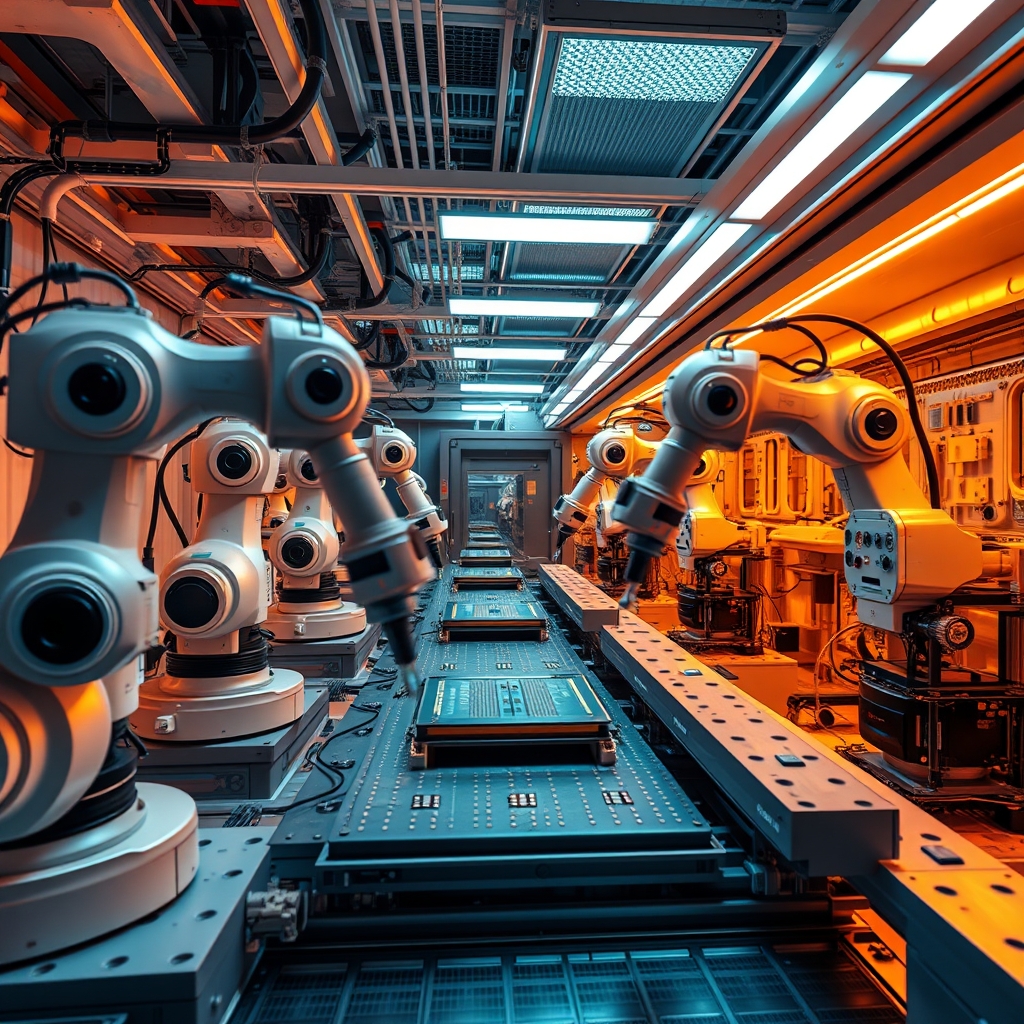
Samsung anticipates that worldwide demand for specialized memory components will substantially outpace available supply through 2027, driven by sustained corporate spending on artificial intelligence infrastructure. According to financial results released by the company, capital expenditures dedicated to artificial intelligence ecosystems are climbing to unprecedented levels as enterprises compete for technological dominance.
Record Financial Performance Amid Capacity Limits
During the third quarter, Samsung reported historic achievements within its memory business segment, propelled by intense demand and ongoing manufacturing constraints. Executive vice president of memory Jaejune Kim noted during an earnings call that despite company initiatives to ramp up fabrication output, order growth continuously exceeded manufacturing capabilities. The organization intends to direct its supply strategy toward artificial intelligence applications where purchasing momentum remains exceptionally robust.
- Memory division sales increased by 16% compared to the previous quarter.
- Year-over-year memory sales surged by 427%.
- Total quarterly revenue reached 195.3 trillion South Korean won, translating to approximately $146.5 billion.
- Operating profit grew by 20% sequentially to hit 107.4 trillion South Korean won, or roughly $80.5 billion.
Daniel Oh, executive vice president of investor relations, highlighted that these milestone figures established the enterprise as the first global technology firm to achieve a quarterly operating profit exceeding 100 trillion South Korean won. Elevated market pricing across various applications mirrored the intense buyer competition for server hardware driven by artificial intelligence deployment.
Accelerating Infrastructure Investments
Looking ahead, corporate leadership projects that hyperscale data center operators and frontier artificial intelligence developers will dramatically accelerate infrastructure expenditures. As these entities construct and expand proprietary data centers to support heavier computational workloads, hardware demand will remain elevated.
To solidify its market position, Samsung plans to prioritize tailored hardware solutions designed specifically for advanced computational workloads and intends to secure long-term purchase agreements with key enterprise clients. While broader market watchers continue to evaluate whether hardware margins have peaked or if capital expenditures will stabilize, manufacturers remain focused on navigating ongoing supply tightness across global technology markets.