SAP Named a Leader in 2026 IDC MarketScape Reports for Manufacturing and Retail Warehouse Management

Software provider SAP has secured leadership positions in two separate vendor evaluations published by IDC. The assessments, titled the 2026 IDC MarketScape for Worldwide Warehouse Management for Manufacturing and the 2026 IDC MarketScape for Worldwide Warehouse Management for Retail, highlight the company portfolio in handling increasingly complex logistics operations across multiple industries.
Addressing Distinct Industry Demands
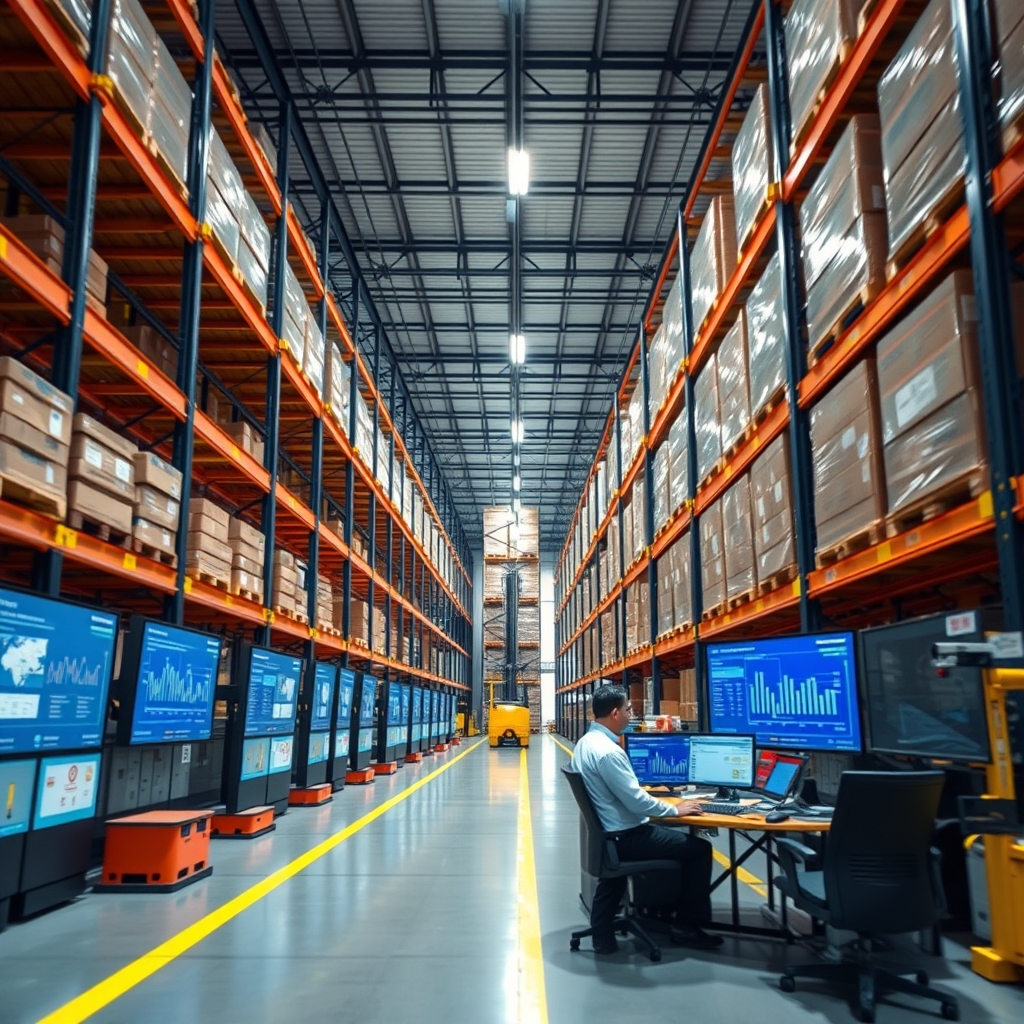
Modern distribution facilities face pressures stemming from rising fulfillment expectations, labor shortages, and rapid technological integration. However, the operational requirements vary significantly between sectors. Manufacturing environments need to synchronize inventory storage and material availability with production schedules, quality control processes, and automated machinery. Conversely, retail operations must coordinate inventory and order fulfillment seamlessly across physical storefronts, distribution hubs, and e-commerce channels, particularly during peak volume periods.
To address these contrasting demands, the enterprise software maker offers targeted technological infrastructure. SAP Extended Warehouse Management helps organizations manage high-volume facilities while connecting warehousing functions to broader enterprise resources such as production, transportation, and quality management. For retail environments, the software integrates with retail systems, cloud commerce platforms, and order management capabilities. Additionally, the company provides SAP Logistics Management to support organizations with less complex operational requirements.
Real-World Deployment at Scale
Practical application of these logistics technologies is visible in large-scale commercial deployments. For instance, Mondelēz Australia implemented SAP Extended Warehouse Management at a new 47,000-square-meter distribution center in Melbourne. The facility utilizes automated storage and retrieval systems to manage more than 56,000 pallets, achieving high delivery performance metrics under the guidance of supply chain management systems.
Integrating Artificial Intelligence and Automation
As warehouse environments generate vast quantities of operational data, incorporating intelligence into daily routines has become a priority. Technological advancements are enabling organizations to anticipate operational bottlenecks, optimize product slotting, and plan labor resources more effectively. Key components of this strategy include:
- Predictive analytics to forecast inventory movement and labor requirements.
- Integration with process intelligence platforms to analyze performance and uncover workflow inefficiencies.
- The incorporation of assistant and agentic AI capabilities to handle routine tasks and minimize manual intervention.
- Physical AI initiatives designed to connect enterprise data systems directly with automated robotics and material handling equipment.
While automation and machine learning take on expanded roles within distribution networks, human oversight remains vital. Industry professionals continue to provide critical governance, ensuring that automated systems enhance productivity and respond efficiently to shifting market dynamics without sacrificing operational control.