Walmart Commits $6 Billion to Expand Warehouse Automation with Symbotic

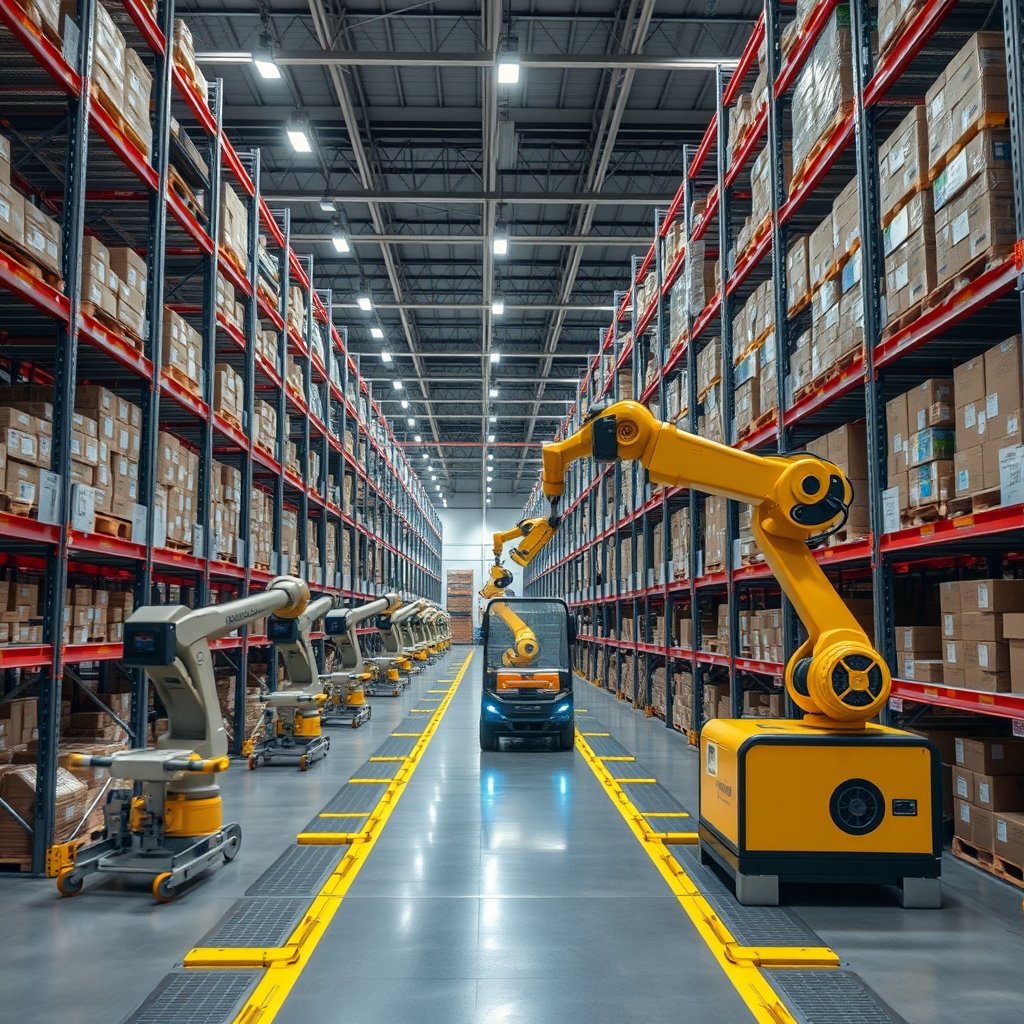
Retail giant Walmart has announced a major multi-year expansion of its commercial agreement with warehouse automation and robotics provider Symbotic Inc. Under the updated arrangement, Walmart will deploy advanced robotics and artificial intelligence systems across an additional 25 regional distribution centers throughout the United States. The initial financial commitment for this nationwide modernization effort totals approximately $6 billion.
Scaling Up Logistics Technology
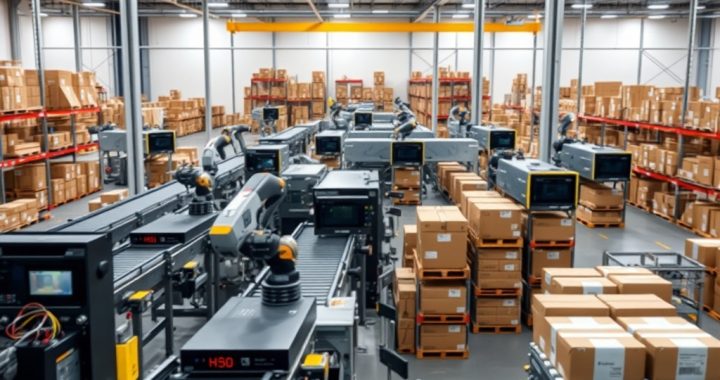
Headquartered in Wilmington, Massachusetts, Symbotic specializes in artificial intelligence-powered automation designed to streamline large-scale fulfillment operations. Walmart has maintained a working relationship with the robotics firm for a decade, gradually integrating its technology into select nodes of its expansive logistical network. This latest initiative significantly scales that partnership by equipping more than two dozen regional facilities with state-of-the-art machinery.
- High-density automated storage and retrieval systems
- Smart pallet-building technologies
- Partial case fulfillment picking tools
By upgrading these regional distribution hubs, Walmart aims to bolster its upstream inventory management capabilities and expand total storage volume. Company executives note that the enhanced throughput will allow the retailer to maintain a broader merchandise assortment, increase fulfillment speed, and ensure more dependable product replenishment across both physical retail stores and digital channels.
Strategic Impact on Supply Chain Operations
Rob Montgomery, executive vice president for Walmart U.S. Supply Chain Operations, emphasized the strategic importance of the technology rollout. According to Montgomery, the ongoing collaboration is designed to enhance customer service, expand network capacity, simplify daily tasks for warehouse associates, and reduce operational expenditures over time. As consumer expectations for rapid e-commerce delivery continue to accelerate, major retailers are increasingly relying on artificial intelligence and robotics to remove bottlenecks in the fulfillment process and maintain a competitive edge in domestic commerce.