Altair Semiconductor Raises $100 Million to Scale Wireless Chip Production

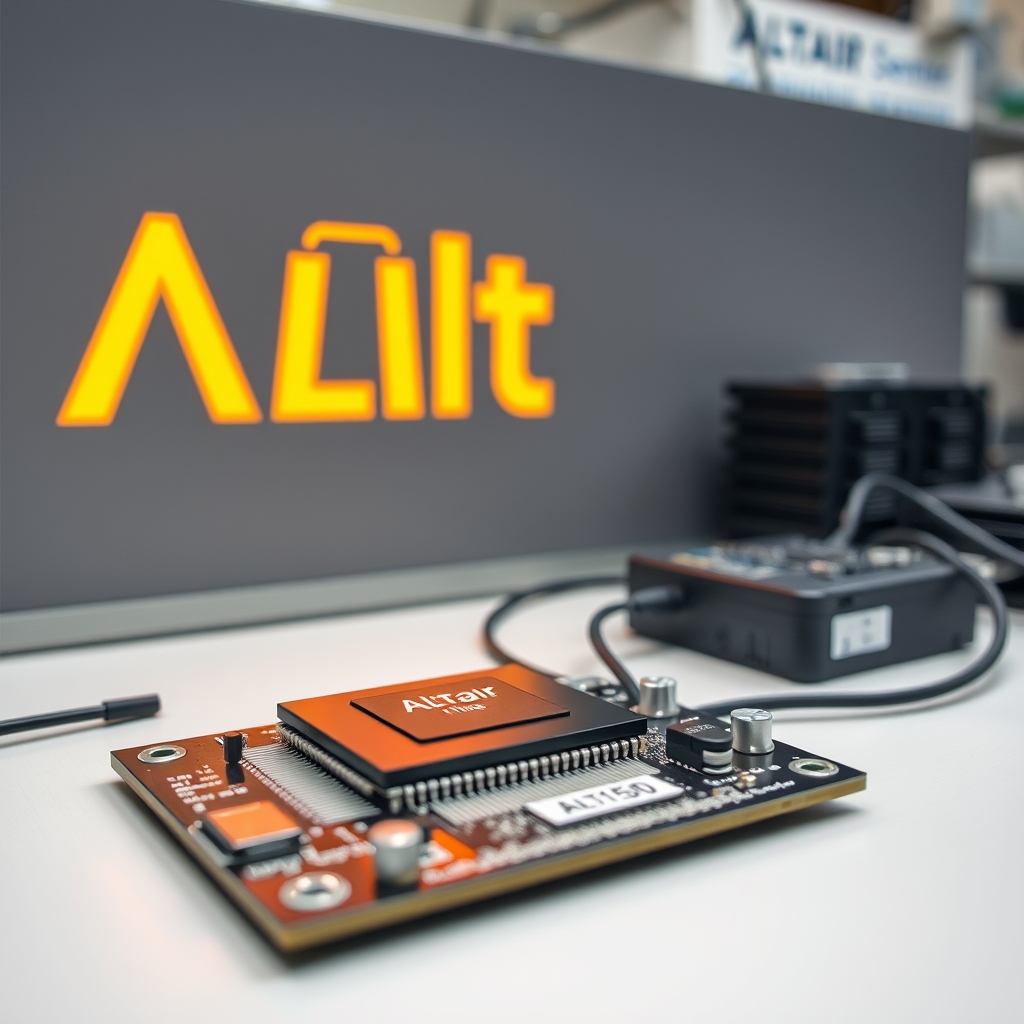
Altair Semiconductor Ltd., a maker of wireless chips for connected devices, has raised $100 million in a Series A round led by Maverick Silicon. The company said it will use the capital to begin mass production of its ALT1550 modem, develop additional networking products and expand internationally. The financing gives Altair resources to move a flagship product toward larger-scale manufacturing as businesses seek ways to connect equipment that needs different balances of battery life, coverage and data speed than a smartphone.
Pitango reportedly participated in the round. The venture capital firm invested $50 million when Altair spun out of Sony earlier this year, according to the report, while Sony is said to have retained a stake in the company. The announcement did not disclose a company valuation or provide a breakdown of the latest round among investors. Altair’s separation from Sony and new funding establish a fresh financing base for its next phase, while the reported continuing stake links the startup to its former parent.
Modems designed for connected devices
Altair’s products address a distinct part of the wireless market. Wearables, industrial sensors, smart meters and other connected devices use carrier networks, but their communications needs can differ substantially from those of phones. Many send small readings intermittently, operate in locations where power is constrained or need to stay connected over long periods. Specialized cellular standards are designed to serve such use cases without requiring a conventional smartphone connection.
The company’s flagship ALT1550 supports several of these standards. Its most advanced option is 5G NR eRedCap, which uses 5G networks while drawing significantly less power than a standard smartphone connection. Altair says the protocol can reach data rates of up to 233 megabits per second. The modem also supports LTE-M and Cat 1bis, both of which use 4G infrastructure. LTE-M can process up to 1 megabit per second, while Cat 1bis is ten times faster and consumes more power. The options allow device makers to select a connection based on their product’s speed, energy and network requirements.
The ALT1550 combines a radio transceiver, which receives and generates signals, with a baseband processor optimized for wireless networking. The chip also includes memory, power-management circuitry and a module that can connect to a satellite when a cellular tower is unavailable, according to the source. That combination is relevant to product teams choosing between a single integrated modem and a broader set of components: connectivity decisions can affect a device’s power use, design and ability to communicate in different settings.
From low-power sensors to production scale
Altair also sells the earlier ALT1255, which supports NB-IoT. That standard uses even less power than LTE-M and Cat 1bis and is aimed at devices that may send data only every few weeks or months. The ALT1255 can further reduce consumption by shutting down many features when they are not needed. Together, the products reflect a range of connectivity trade-offs rather than a single solution for every connected device.
Altair says its silicon is already used in millions of devices. Examples include utility smart meters that transmit readings to cloud systems, tracking equipment used by delivery companies, medical devices and street lights. In these settings, connectivity can support remote monitoring and reduce the need for manual data collection, although the exact requirements differ by application. A meter sending periodic readings, for example, may prioritize long operating life, while a vehicle-tracking device may have different needs for coverage and data frequency.
For customers, the planned mass production of the ALT1550 is the clearest near-term outcome of the financing. Moving a chip from development into larger-scale production can make manufacturing readiness and supply planning more important for device makers evaluating it; Altair has not provided a production schedule or customer commitments. The company’s plans to develop additional products and grow its international presence could also broaden its reach, but those remain stated uses of the funding rather than completed milestones.
Execution will determine the funding’s impact
The round arrives as connected-device manufacturers weigh cellular generations and specialized standards against the practical constraints of their products. A newer network option may offer higher throughput, while established 4G infrastructure can be more widely available; lower-power protocols can suit devices that transmit infrequently but may not fit every application. Altair’s portfolio spans several of those choices, and the $100 million investment is intended to support production and further development. Whether the funding translates into wider adoption will depend on execution, including manufacturing scale-up and how well the chips meet device makers’ requirements.