Nvidia’s Huang Returns as CEO Amid Governance and China-Trade Questions

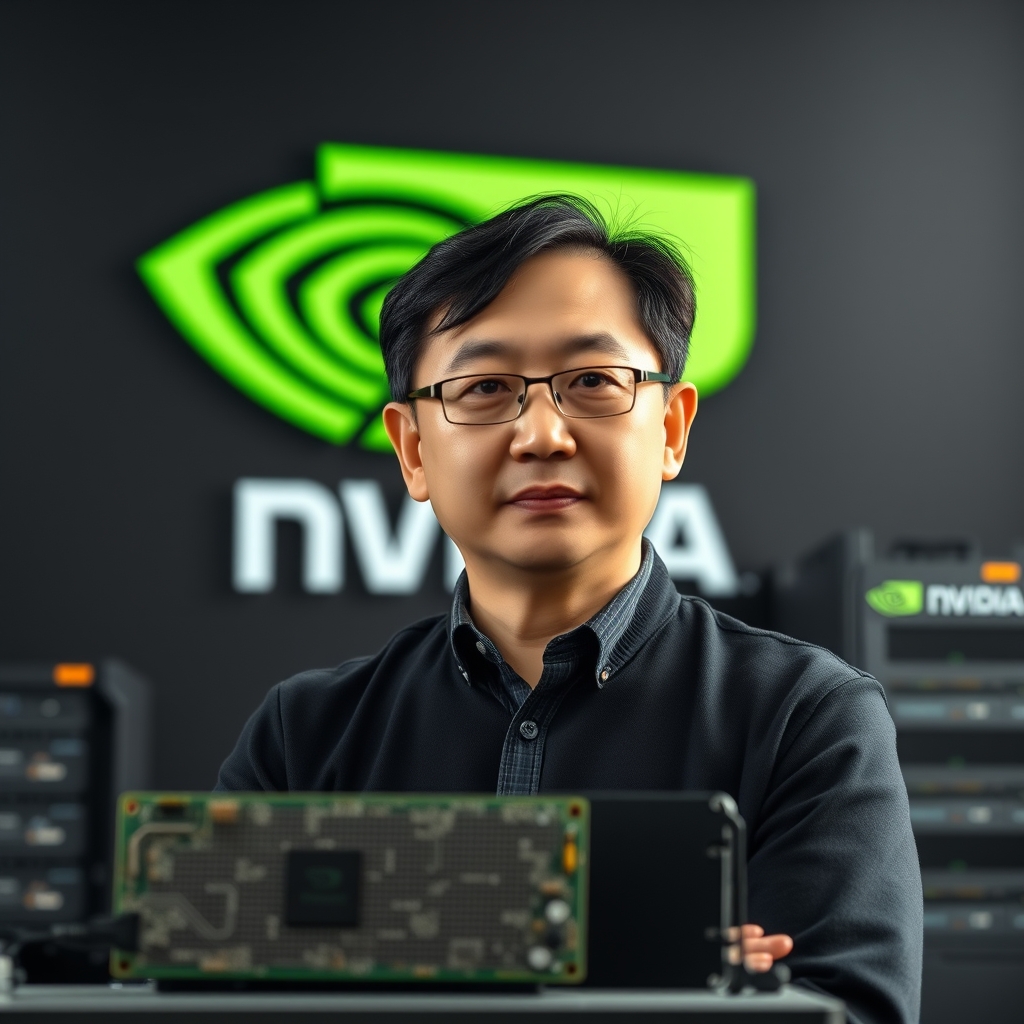
Nvidia CEO Jensen Huang is back in the role after the company’s board reversed his resignation, a development that SiliconANGLE reported this week alongside continuing questions about the chipmaker’s governance and business dealings. The outlet’s Nov. 27 roundup said Huang’s return came amid concern that his departure could unsettle Nvidia and the wider artificial-intelligence trade. The company is a key supplier of AI chips, making leadership decisions consequential well beyond its own workforce and shareholders.
A leadership reversal with market consequences
The report described Huang as having stepped down before the board changed course on Monday. It attributed the reversal partly to pressure from Huang and President Donald Trump, who, according to the account, worried that the market and AI investment momentum could suffer without him at Nvidia’s helm. The article did not detail the board’s decision-making process or provide a company statement explaining the reversal, so the precise terms and rationale remain unclear from the material published.
SiliconANGLE argued that the episode raises a basic governance concern: whether Nvidia has built enough leadership depth to manage a transition if Huang leaves again. The question is particularly salient for investors because the company’s valuation and its role in the AI industry make executive continuity a market issue, not simply an internal personnel matter. Dependence on one leader can create succession risk, while a board’s ability to make and stand by leadership decisions is central to its oversight responsibilities.
The report also said the expected boost from Huang’s return was not clearly reflected in that week’s trading. It offered no specific share-price figures or trading analysis, so the market response cannot be quantified from the account. Still, the observation underscores a distinction important to public-market investors: a high-profile leadership change may affect sentiment, but it does not by itself settle questions about a company’s controls, strategy or exposure to regulatory scrutiny.
Allegations and export-control scrutiny
Alongside the leadership story, SiliconANGLE’s commentary referred to ongoing internal and government investigations and congressional scrutiny. It described allegations involving Huang’s personal conduct and an alleged relationship with a woman the article linked to restricted Nvidia GPU shipments to China and the possible transfer of nonpublic information. The commentary also referred to an alleged relationship with an Nvidia vice president and other relationships. These are allegations reported in the source, not findings established in the supplied material; the account does not provide detailed evidence or responses from the people involved.
The export-control concerns carry wider significance because advanced computing chips are strategically important and U.S. restrictions limit access to some technology in China. SiliconANGLE reported that questions had emerged about cutting-edge chips reaching China and that a loophole might be closed, but it did not specify the mechanism or establish the full circumstances of any shipments. The distinction between alleged conduct, ongoing scrutiny and confirmed findings matters for companies that sell globally: compliance obligations can intersect with national-security policy, customer screening and reputational risk.
For Nvidia’s customers and business partners, the immediate operational issue is not simply who occupies the CEO role. Buyers of AI infrastructure need confidence in supply continuity, compliance processes and predictable engagement with a supplier whose products are central to many AI systems. Technology and procurement teams may therefore watch for any formal findings or company disclosures that clarify controls and business practices. The source does not report a change to Nvidia’s products, customer commitments or operations following Huang’s reinstatement.
What investors and boards will watch
The episode also places a spotlight on board oversight. Investors assessing a company facing leadership controversy typically need clear information about succession planning, internal controls and the handling of material risks. In this case, the published account raises those topics but does not establish what steps Nvidia’s board has taken, what the investigations have concluded or whether any formal action is pending. Those unanswered questions limit what can be inferred about the company’s governance from the return alone.
For now, Huang’s reinstatement restores the executive continuity SiliconANGLE says some market participants feared losing, while leaving the reported governance and China-trade questions unresolved. The next meaningful signals for investors and customers are likely to come from verifiable company disclosures, regulatory or congressional developments, and any substantiated findings from the investigations described in the report. Until then, the leadership reversal is a notable event for Nvidia and the AI market, but it is not, by itself, a resolution of the concerns surrounding it.