Aurora Postpones Autonomous Truck Production Timeline Amid Supply Chain and Quality Hurdles

Autonomous vehicle developer Aurora Innovation has encountered schedule setbacks in its commercial truck production pipeline due to ongoing component availability hurdles and strict quality verification standards. Despite these operational friction points, the enterprise maintains its ambitious long-term deployment trajectory, reaffirming its objective to field an active fleet exceeding one thousand autonomous semi-trucks by the close of 2027.
Production Partnership and Upfitting Realities
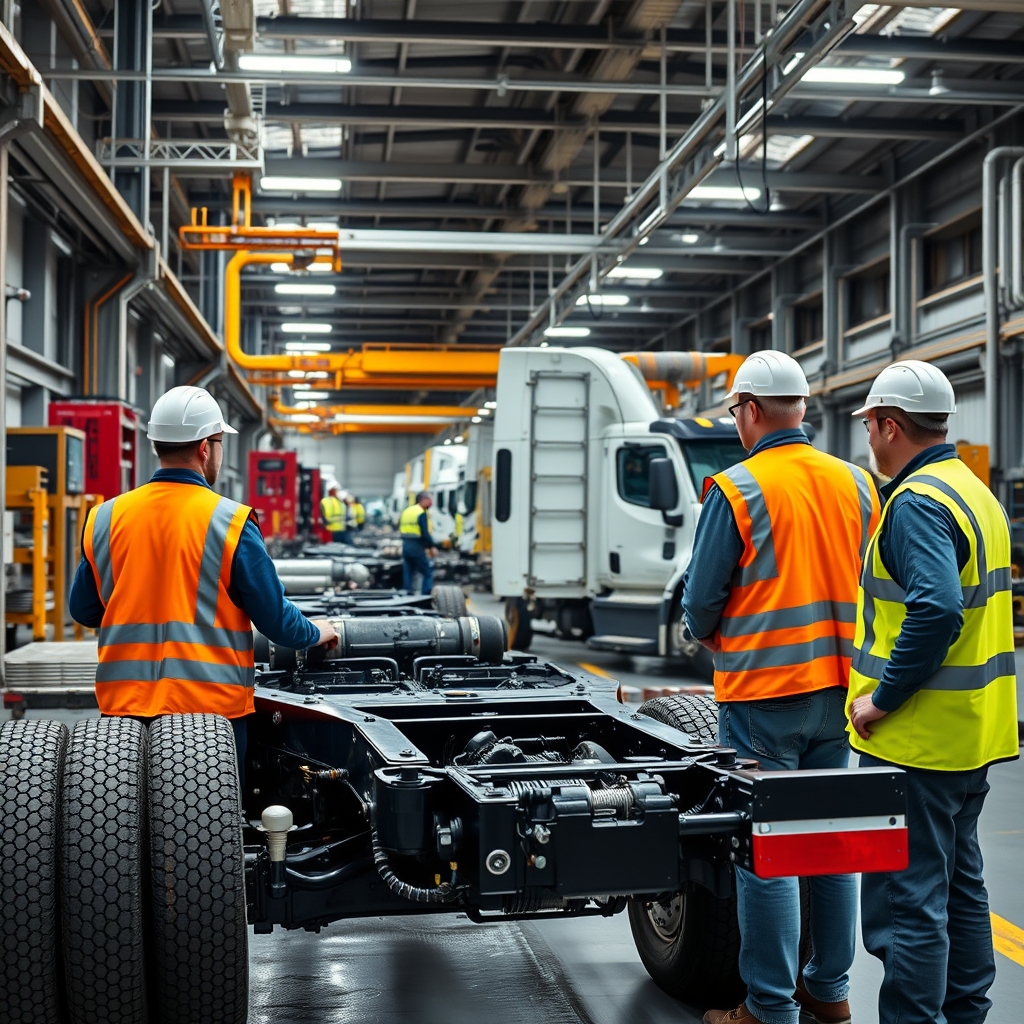
To scale its vehicle manufacturing capabilities, Aurora relies on a strategic partnership with Roush Industries. The manufacturing firm is tasked with upfitting commercial chassis to integrate Aurora’s proprietary self-driving hardware and software stack. However, matching component readiness with rigorous safety benchmarks has introduced timeline adjustments. Industry analysts note that autonomous hardware integration requires specialized assembly processes that remain highly sensitive to micro-component shortages and quality assurance bottlenecks.
Navigating Market Pressures and Fleet Targets
The autonomous freight sector faces intense scrutiny regarding commercial viability, safety validation, and production scalability. Aurora’s recent adjustments highlight the complex balancing act required when scaling advanced logistics technology alongside traditional automotive manufacturing timelines. Key considerations influencing the revised production schedule include:
- Securing reliable tier-one supplier pipelines for specialized lidar and radar sensors
- Meeting rigorous validation protocols before deploying heavy commercial vehicles onto public freight corridors
- Balancing capital expenditure with manufacturing throughput at partner facilities like Roush
Despite these near-term operational delays, leadership at Aurora indicates that the foundational framework for mass production remains intact. As the company refines its assembly methods and stabilizes its component sourcing, the path toward achieving its 2027 fleet deployment milestone depends heavily on resolving these discrete supply chain and quality control challenges.