How ifm electronic Streamlined Global Production Through Strategic Standardization

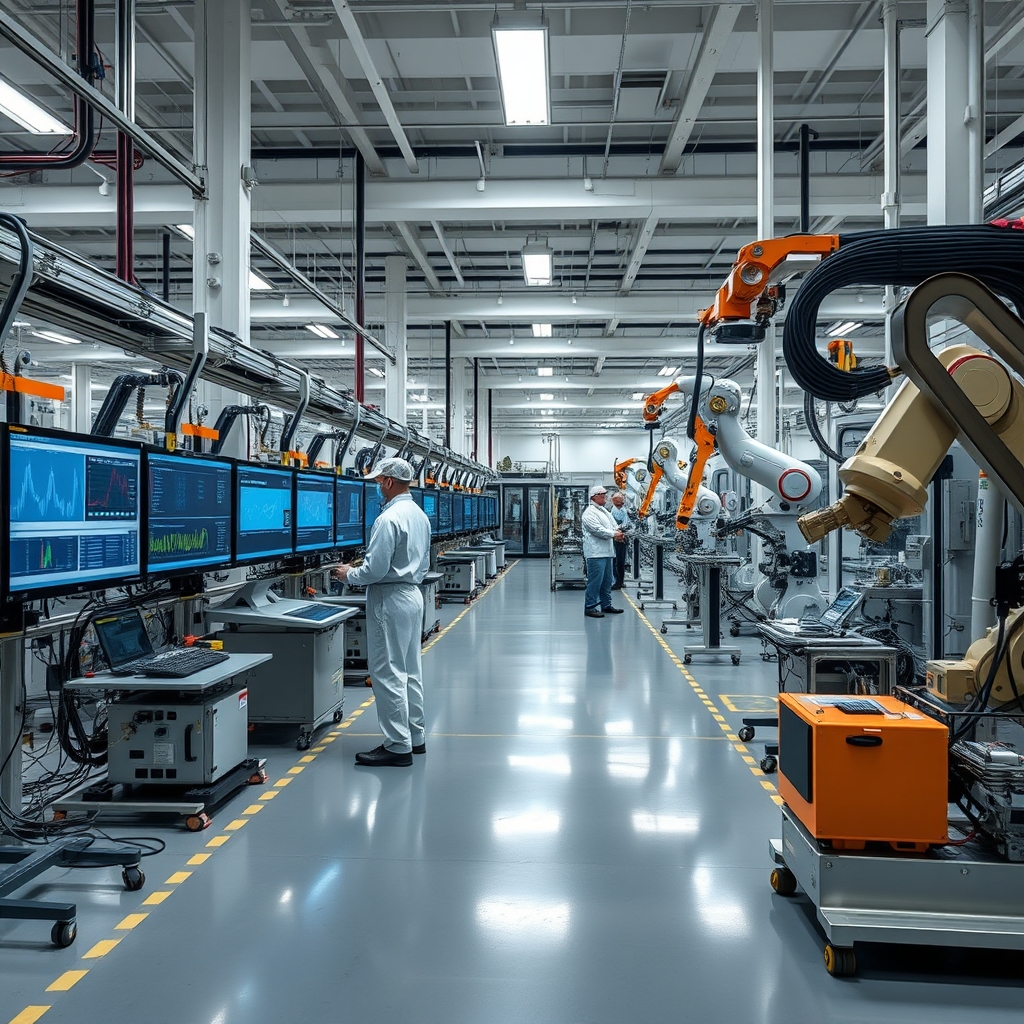
Global manufacturers frequently face a common operational hurdle as they expand over the years. Localized growth can result in highly customized production environments featuring site-specific applications, custom-built interfaces, and isolated processes. While these localized solutions often resolve immediate operational needs, they ultimately create significant challenges when organizations attempt to scale innovation, streamline maintenance procedures, and establish uniform operational consistency across international production networks. Industry leaders are increasingly turning to standardized digital platforms to simplify these intricate environments, enhance visibility, and build a solid operational foundation for future advancements.
Tackling Production Complexity Through Strategic Choice
As an international manufacturer of sensor and automation technology employing approximately 9,000 individuals worldwide, ifm electronic GmbH operates multiple production facilities throughout Germany and across international markets. Over time, individual facilities constructed distinct integrations between their operational technology systems and enterprise applications, yielding an individualized manufacturing architecture. Although these local fixes met specific operational demands, they simultaneously drove up maintenance requirements and overall systemic complexity. As the organization expanded, achieving robust standardization emerged as a core strategic imperative.
Martin Haury, head of Global IT Business Services at ifm electronic GmbH, noted that the enterprise sought a reliable standard to deploy across all production locations while leveraging mature solutions readily available on the market. During its evaluation of various manufacturing execution systems, the company determined that the SAP Digital Manufacturing platform could natively fulfill the vast majority of requirements. Surprisingly, the evaluation revealed that over 100 internal functionalities previously developed in-house were already available as standard out-of-the-box capabilities within the software, including scheduling, track-and-trace functionality, and production order execution.
Accelerating Deployment and Reducing Custom Development
Transitioning to an enterprise-grade standard delivered immediate operational advantages, most notably a substantial decrease in internal development overhead. Rather than dedicating engineering resources to build and maintain bespoke functionalities, internal teams could utilize pre-existing software capabilities and configure them to meet precise business demands. Haury observed that operational technology colleagues were pleasantly surprised to find that achieving the desired functionality required little more than parameterization.
- Minimizing custom code to lower long-term maintenance burdens
- Accelerating the timeline from initial concept to full operational deployment
- Deploying standardized workflows efficiently across multiple international sites
To guide this comprehensive digital transformation, ifm collaborated closely with cbs Corporate Business Solutions Unternehmensberatung GmbH. Serving as the primary implementation partner, the consultancy provided crucial expertise spanning both manufacturing operations and supply chain logistics. The collaborative effort focused on establishing a scalable, future-ready operational platform designed to expand seamlessly across locations while remaining fully aligned with broader corporate processes.
Achieving Operational Visibility and Preparing for the Future
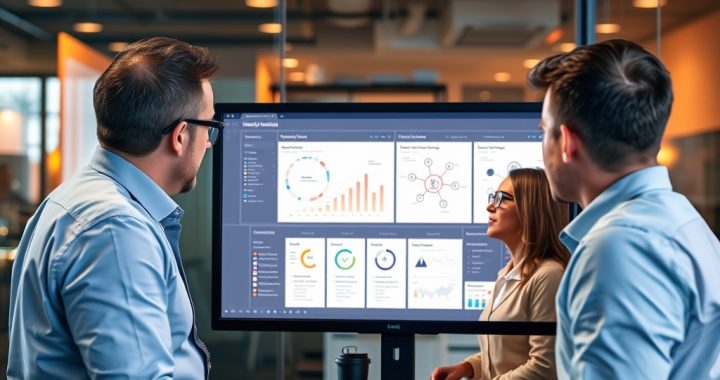
Today, heightened operational transparency is deeply embedded into every facet of ifm manufacturing. Production schedules, manufacturing orders, and current product availability are managed within a unified digital environment. This shared visibility allows multidisciplinary teams to operate from a single source of truth, empowering them to react decisively to shifting market demands and operational requirements.
Haury emphasized that the integration represents a pivotal milestone in the company digital journey, successfully positioning the organization for a connected, agile, and data-driven future. As industrial networks grow increasingly interconnected, dependable access to uniform data serves as an essential prerequisite for scaling enterprise operations and sustaining continuous improvement.
Following a successful initial pilot deployment, ifm is actively preparing to roll out the solution across its worldwide production network. The project underscores a critical takeaway for industrial enterprises navigating digital transformation: modern operational strategies rely less on reinventing every capability from scratch and more on adopting proven industry standards to reduce complexity and scale innovation effectively.