How Chili’s Supply Chain Overhaul Drives Menu Consistency and Growth

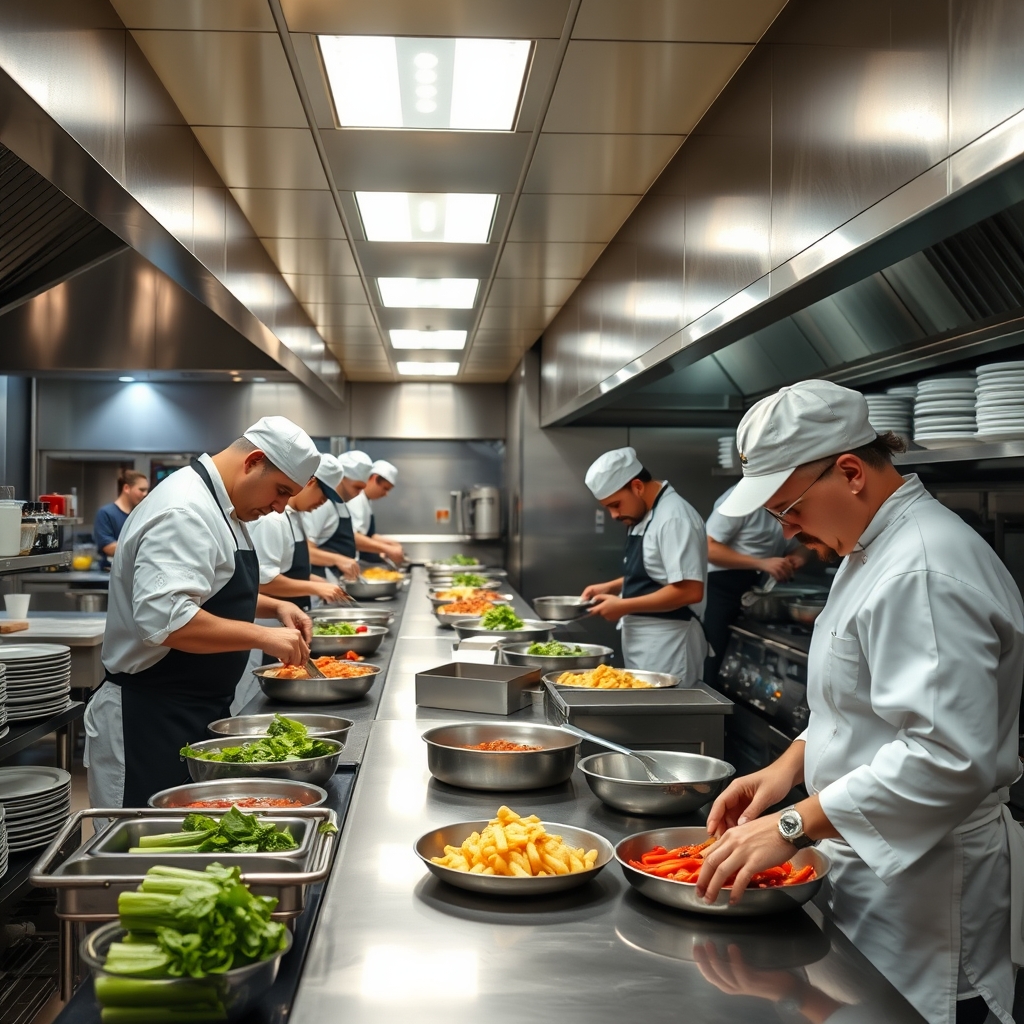
Brinker International, the parent company of the popular casual dining restaurant chain Chili’s, has initiated a significant strategic shift in its operational and procurement strategies. Under the leadership of Chief Supply Chain Officer James Butler, the organization has realigned its supply chain priorities to place an intense focus on the end customer experience. This deliberate recalibration has not only streamlined internal procurement processes but has also yielded measurable financial benefits, generating sales growth for both the restaurant operator and its network of food and beverage suppliers.
Refocusing Procurement on the Diner Experience
Traditionally, restaurant procurement has concentrated heavily on cost reduction, logistics efficiency, and inventory turnover. However, Butler recognized that optimizing these traditional metrics alone was insufficient if the final product delivered to the table failed to meet guest expectations. By reordering supply chain priorities, Chili’s has connected purchasing decisions directly to the dining room. This means ingredient sourcing, vendor selection, and distribution schedules are now evaluated based on how effectively they preserve food quality, portion consistency, and overall menu reliability across hundreds of franchise and corporate locations.
Strengthening Supplier Partnerships
A core component of this operational evolution involves deeper collaboration with the suppliers who provide proteins, produce, and dry goods. When procurement strategies prioritize consistency and long-term quality over short-term price concessions, suppliers gain better visibility into demand forecasts. This stability allows vendors to plan production cycles more effectively, reducing waste and mitigating the risk of stockouts. According to recent performance updates from Brinker International, this collaborative approach has fostered mutual sales growth, proving that supply chain alignment can create shared value throughout the distribution ecosystem.
- Realigning procurement metrics to prioritize guest satisfaction and meal consistency
- Improving demand visibility and forecasting accuracy with key food and beverage suppliers
- Generating steady sales growth across corporate and franchise restaurant locations
As consumer preferences continue to shift and operational costs remain volatile, the success of Chili’s supply chain adjustments highlights the importance of agile procurement strategies in the restaurant sector. By treating the supply chain as an extension of the guest experience rather than a back-office administrative function, the brand has established a resilient operational foundation designed to support ongoing menu consistency and long-term commercial expansion.