Hurricane Isaias Threatens Gulf Coast Energy Infrastructure and Regional Freight Corridors

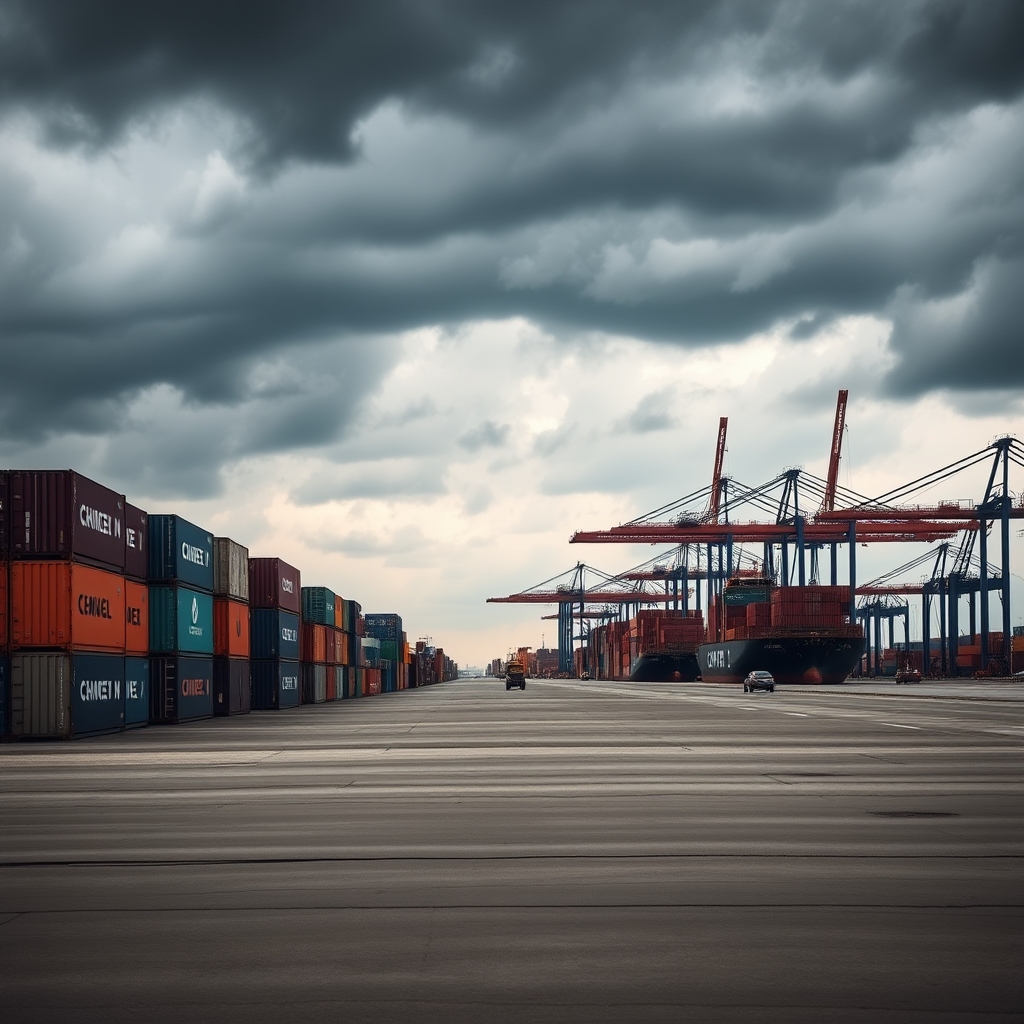
Logistics operators and energy markets across the American Southeast are bracing for severe disruptions as Hurricane Isaias intensifies in the Gulf of Mexico. Meteorological models indicate the storm is on track to strengthen from its current status into a powerful Category 3 hurricane, carrying sustained winds of up to 100 miles per hour before making landfall on Friday afternoon. The projected trajectory spans from just east of Houston across the Florida Panhandle, cutting directly through vital freight corridors and critical energy production zones.
Energy Sector Exposure and Refinery Risks
The most pressing vulnerability for the broader industrial network lies within the energy sector. Up to six major petroleum refineries sit squarely in the path of the approaching storm. Gulf State facilities collectively represent half of the entire national refining capacity, accounting for 18.2 million barrels per day. While offshore production operators have initiated standard protocols by evacuating nonessential personnel, active output continues for the moment. Industry analysts note that any substantial structural damage or prolonged operational downtime could take weeks to resolve, compounding pressures within a market already contending with elevated diesel pricing.
Regional Freight Markets and Transportation Adjustments
Freight markets throughout the Southeast are already registering immediate operational shifts. Tender rejection rates across critical logistics hubs including New Orleans, Mobile, and Montgomery have climbed into the 17% to 19% range, outpacing broader national averages. At the same time, localized truckload volumes are trending upward as commercial shippers accelerate outbound cargo movements to clear facilities before severe weather hits. Market participants anticipate localized spikes in spot rates and sustained carrier rejections depending on the severity of regional flooding and the speed at which transport operators regain access to affected roadways.
Port Operations and Emergency Staging
- Maritime gateways such as the Port of Mobile and the Port of New Orleans face significant potential for vessel delays and cargo handling slowdowns.
- Meteorologists project widespread rainfall totals ranging from 3 to 6 inches, with localized accumulations potentially reaching 10 inches, creating severe flood risks from Louisiana to the Florida Panhandle.
- Federal emergency management staging locations in cities like Jacksonville and Atlanta are expected to generate substantial secondary demand for emergency freight capacity in the aftermath of landfall.
As the weather system approaches the coastline, monitoring platforms tracking meteorological data and freight metrics will remain crucial for carriers navigating capacity constraints and localized infrastructure delays.
Source: FreightWaves