Sage Modernization Strategy Relies on Artificial Intelligence to Streamline Portfolios

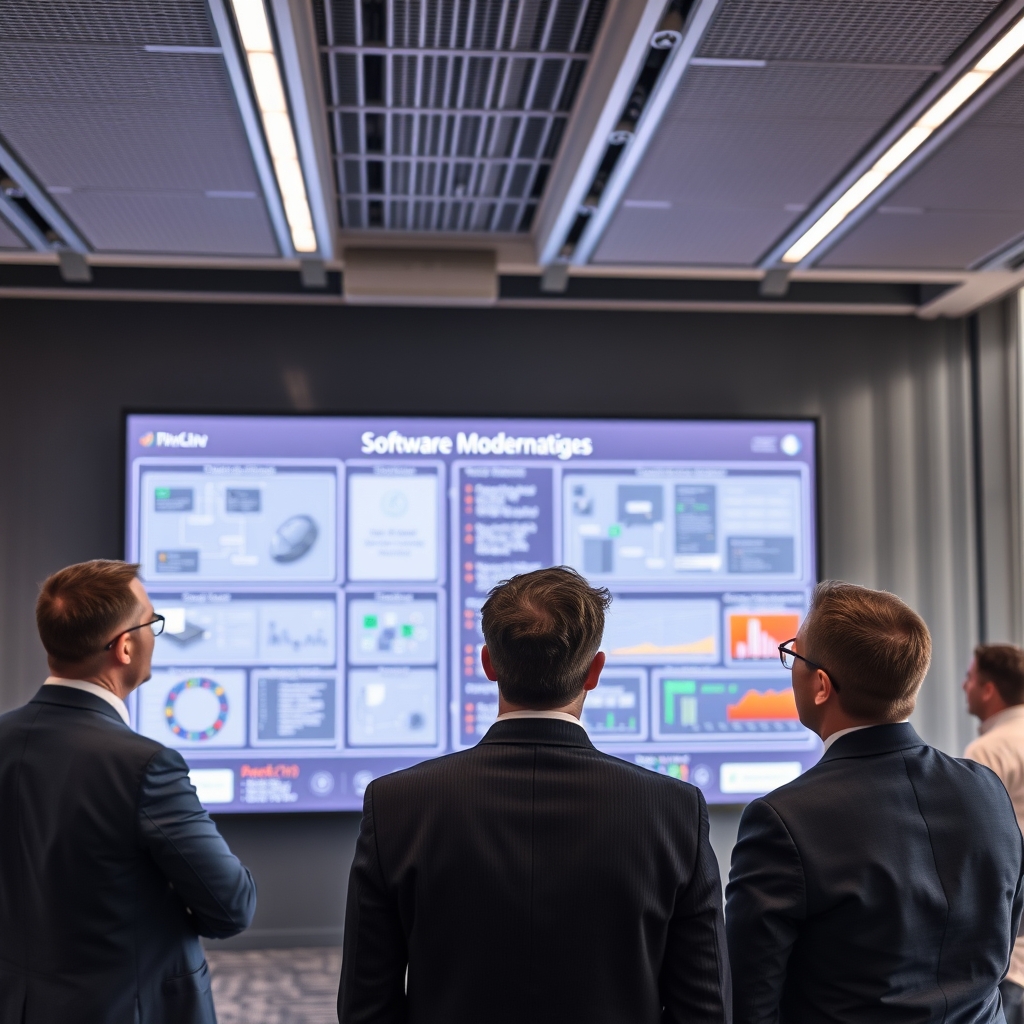
Finance software provider Sage is undergoing a major portfolio simplification program, utilizing modern artificial intelligence capabilities to unlock decades of legacy code and reshape its product offerings. Company leadership outlined these strategic shifts during the recent Sage Future for Partners event held in Amsterdam, emphasizing a sharpened focus on core mid-market systems.
Streamlining the Product Portfolio
Sage executives explained that historical growth had led to excessive complexity, such as maintaining multiple accounting and payroll products within the same geographic jurisdictions. To address this, the company is prioritizing its Sage Intacct and Sage X3 platforms for future technological investments and modern tech stacks.
While older platforms like Sage 100 and Sage 300 will continue to serve small and medium-sized enterprises, company leadership noted that applying new architectures to those legacy systems is no longer economical. Instead, streamlined migration paths and enhanced onboarding processes are being developed to help users transition toward modern capabilities.
The Role of Artificial Intelligence in Code Modernization
A central theme of the event was how artificial intelligence transforms code and application development, making it feasible to modernize intellectual property that has been locked inside legacy software for decades. Klaus Michael Vogelberg, Chief Architect and Technology Advisor, noted that AI effectively removes traditional barriers to code refactoring and legacy unlocking.
Stuart Langer, Senior ERP and Financial Systems Product Leader, explained that lower code-generation costs enable developers to build point-specific features on a project-by-project basis. This capability allows the ecosystem to move away from rigid, monolithic software models toward modular capabilities spanning finance, compliance, and employment services.
Expanding the Partner Ecosystem and Agentic Workflows
The strategic shift also involves empowering the partner network through the new Sage Agent Marketplace. Partners are expected to play a critical role in developing custom AI agents and value-added add-ons that address unique business requirements.
- Partners will leverage enterprise-grade development practices to turn prototypes into secure enterprise technology.
- The rise of agentic workflows enables intelligent layers to traverse disparate systems across an organization.
- Implementation costs are expected to shift, with customers increasingly paying for subscriptions tied directly to operational outcomes rather than upfront deployment fees.
As artificial intelligence continues to lower the technical debt associated with legacy systems, technology leaders anticipate a resurgence of best-of-breed software architectures, supported by an expanding market for managed service providers.