U.S. Rail Traffic Advances 4.7% as Intermodal Shipments Lead Weekly Growth

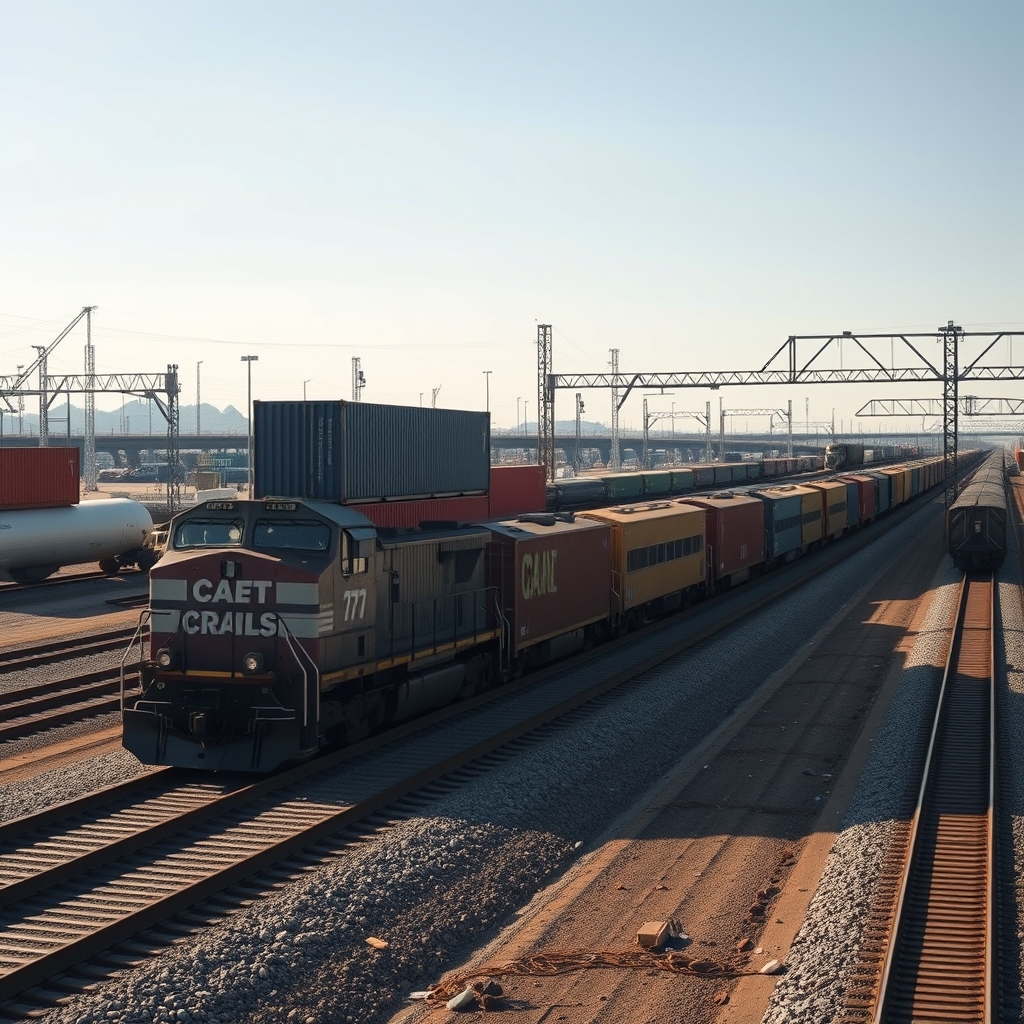
U.S. rail freight volume increased 4.7% year over year in the week ending Nov. 21, with intermodal traffic providing most of the lift, according to the Association of American Railroads. Container and trailer movements rose 8.3% from the comparable week in 2025, while rail carloads of commodities edged up 0.5%. The figures point to firm freight activity overall, but with sharply different trends among the goods moving by rail.
Intermodal, which carries freight in containers or trailers that can transfer between rail and other modes, continued to outperform traditional carload traffic. Its faster growth is relevant to retailers and logistics providers because these shipments commonly serve consumer-goods supply chains. The weekly increase is consistent with the source’s assessment that import and holiday-season shipping demand is supporting intermodal volumes, though a single week does not establish a broader trend on its own.
Six of the 10 reported carload commodity groups recorded year-over-year gains. Metallic ores and metals used in steelmaking climbed 17.9%, the strongest increase among the groups. Petroleum and petroleum products rose 11.2%, forest products advanced 11%, and motor vehicles and parts increased 8.3%. The motor-vehicle gain came despite higher interest rates that had weighed on rail shipments earlier in the year; year-end sales promotions helped support the latest comparison, according to the report.
Commodity results remain uneven
Other advancing groups included farm products excluding grain and food, up 6.2%, and chemicals, up 2.1%. Those gains were offset in part by declines elsewhere. Grain shipments fell 17.4%, the steepest drop among the listed categories, while coal traffic declined 4.4%. Unspecified carloads were down 2.1%, and nonmetallic minerals such as sand and stone slipped 0.9%. The contrast shows why the headline increase does not mean every rail-dependent sector is experiencing the same conditions.
Across the first 46 weeks of 2026, total U.S. rail traffic was 4% higher than over the corresponding period in 2025. Carloads gained 2.7%, while intermodal units rose 5.1%. On a year-to-date basis, metallic ores and metals led the major commodity groups with a 9% increase, followed by grain at 8.7% and petroleum products at 7.9%. Coal was the only major group reported as lower for the period, down 1.6%.
The broader North American picture was similar but not identical. Across nine reporting railroads in the United States, Canada and Mexico, carloads slipped 0.3% for the week, while intermodal volume increased 8.4%. Combined traffic was up 4.2% year over year. For the first 46 weeks, total volume across those railroads was 3.5% above the same period in 2025. The regional figures reinforce the strength of intermodal traffic while showing that carload performance can vary across a broader network.
What the numbers mean for freight planners
For shippers, carriers and logistics teams, the figures offer a snapshot of demand across several parts of the economy rather than a direct forecast. Intermodal’s gains may matter to companies coordinating containerized goods and retail inventory, while growth in metals, autos and petroleum indicates greater rail movement in those categories than a year earlier. At the same time, the declines in grain and coal are a reminder that agricultural and energy-related freight can move against the overall direction of the market.
Businesses using rail data in transportation planning can compare these weekly readings with their own shipment schedules, commodity exposure and regional needs. The reported gains do not show how individual companies performed, nor do they establish the cause of every volume change. The clearest takeaway is the continued gap between intermodal growth and more mixed carload results. Further weekly and year-to-date readings will show whether that pattern persists as the year closes.